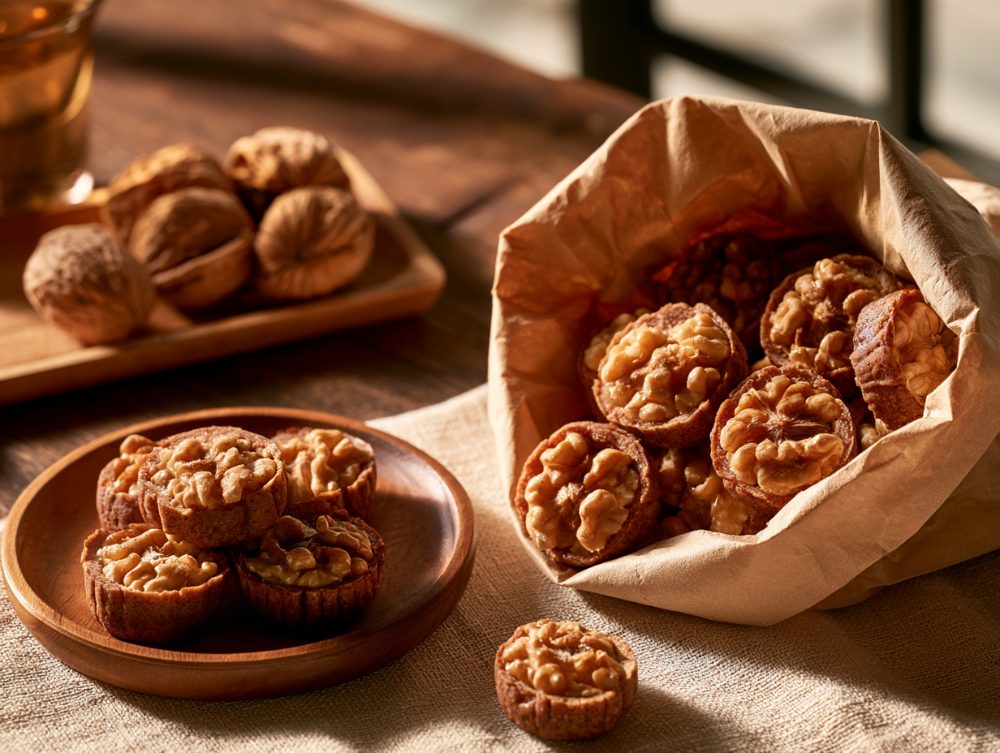
Korean Hodu-gwaja, Walnut Cakes
Hodu-gwaja are bite-size, walnut-shaped cakes with a piece of walnut baked inside, sold warm in paper bags at train stations and highway rest stops. This k
Hodu-gwaja are bite-size, walnut-shaped cakes with a piece of walnut baked inside, sold warm in paper bags at train stations and highway rest stops. This k
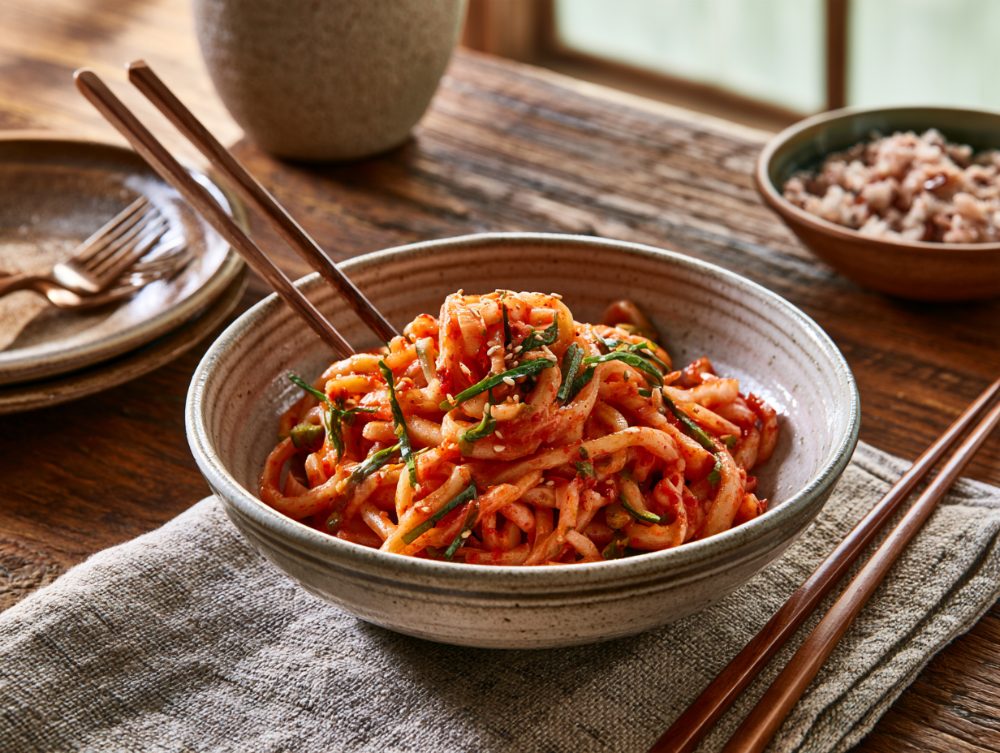
Musaengchae is a bright red salad of thinly shredded radish tossed in chili flakes, garlic and a little vinegar. It is crunchy, tangy and slightly sweet, a
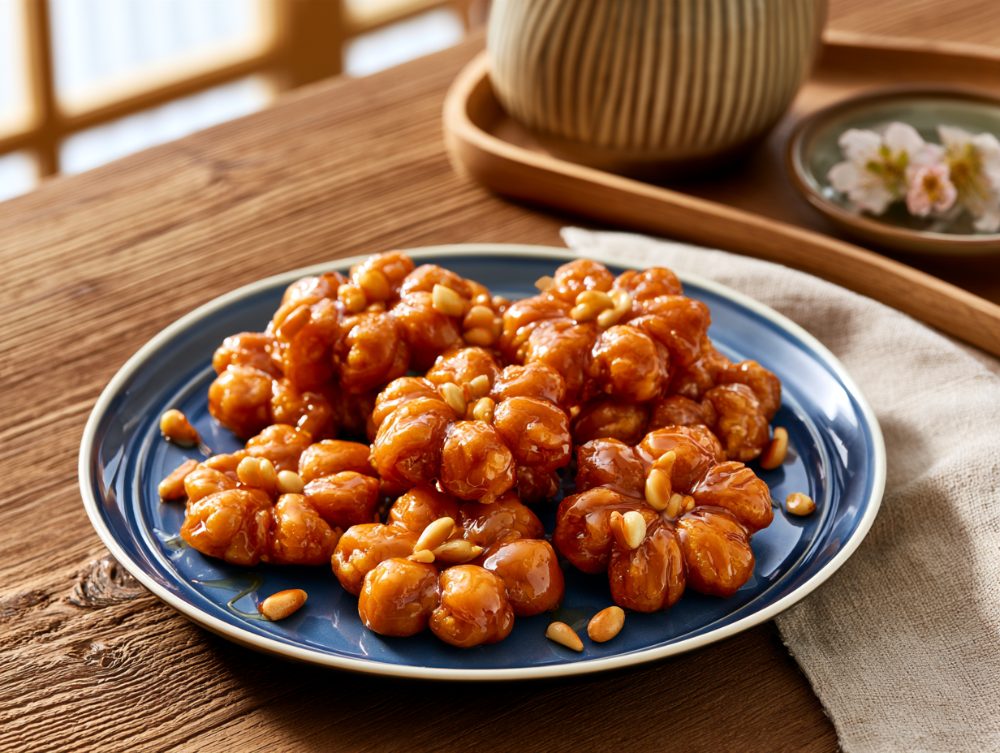
Yakgwa are traditional flower-shaped cookies soaked in a sweet, ginger-scented syrup. They have recently become trendy again in Korean bakeries. This keto
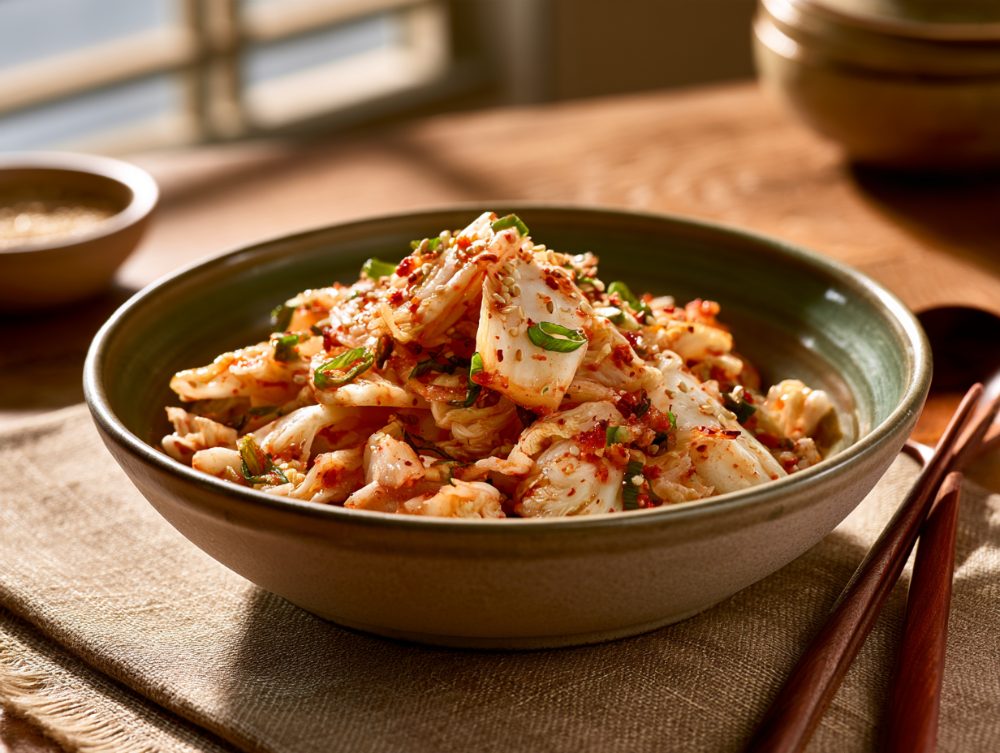
Geotjeori is fresh, unfermented kimchi: tender napa cabbage leaves tossed in a spicy, garlicky dressing and eaten right away. It has all the bold flavor of
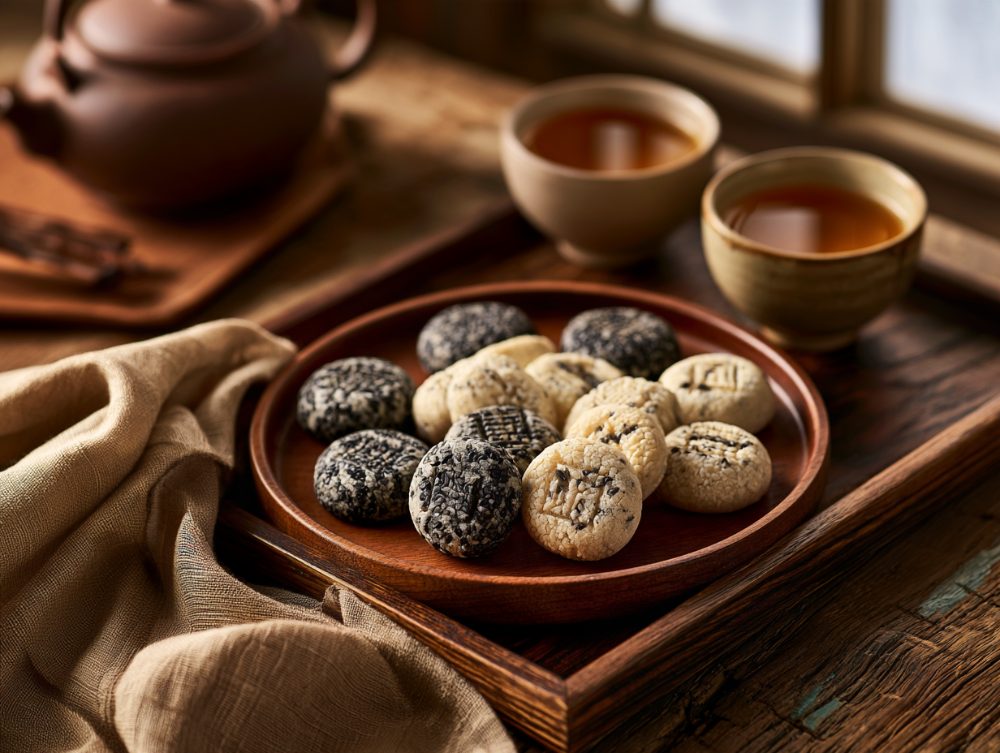
Dasik are small, beautiful pressed sweets served with tea, stamped with patterns of flowers and good-luck symbols. Black and white sesame dasik are made by
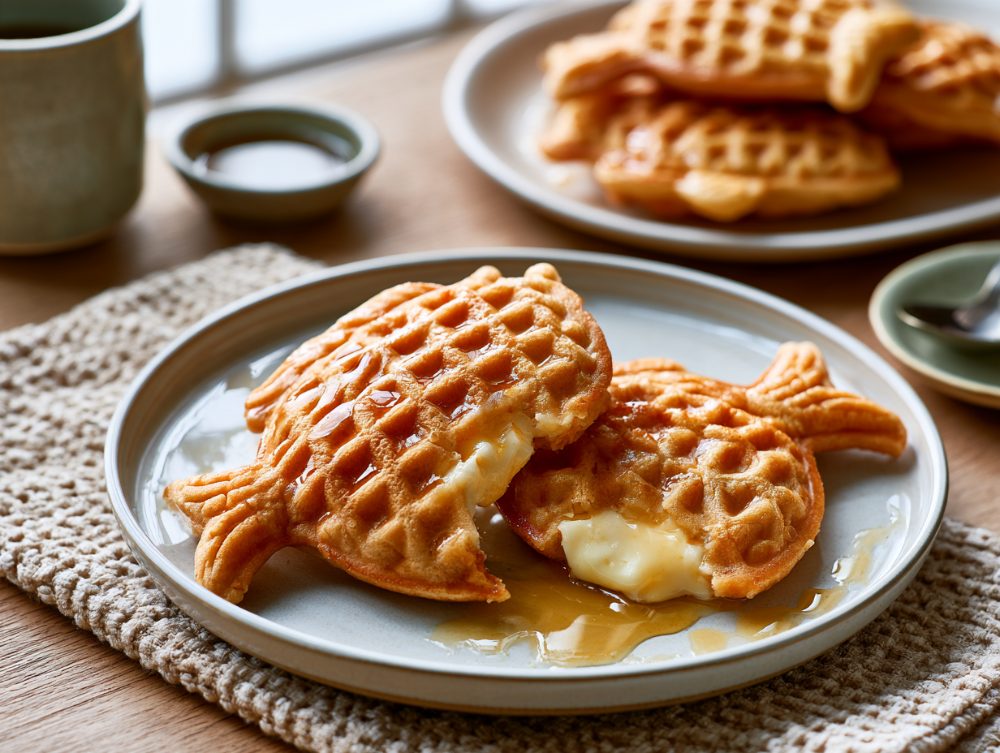
Bungeoppang are crisp, fish-shaped little waffles with a warm, sweet filling, sold from street carts all winter long. Traditionally they hold sweet red bea
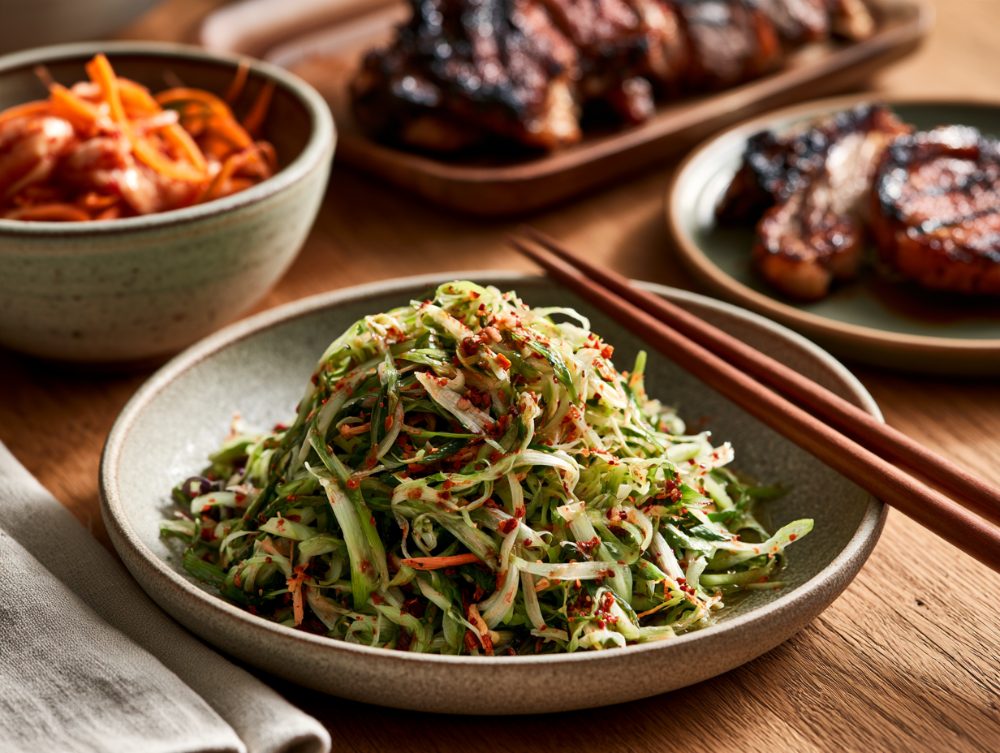
Pa-muchim is a heap of finely shredded scallions tossed in a spicy, tangy dressing. At Korean barbecue restaurants it is served alongside grilled pork and
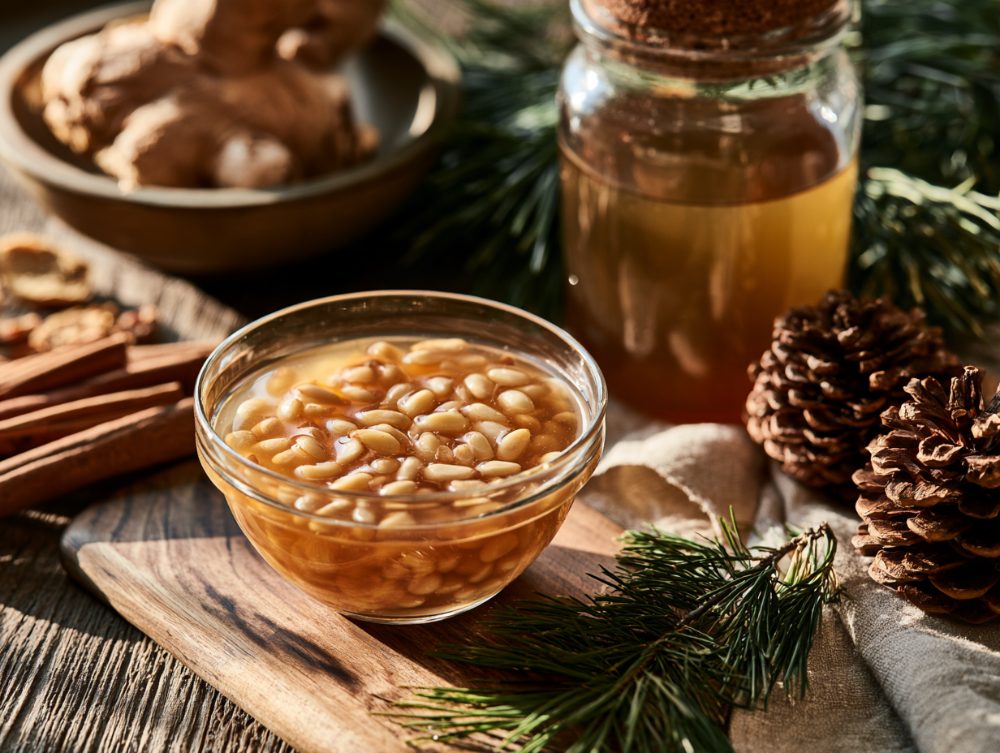
Sujeonggwa is a cold, spiced punch of cinnamon and ginger, traditionally served at the end of holiday meals as a refreshing digestive. It is warm and spicy
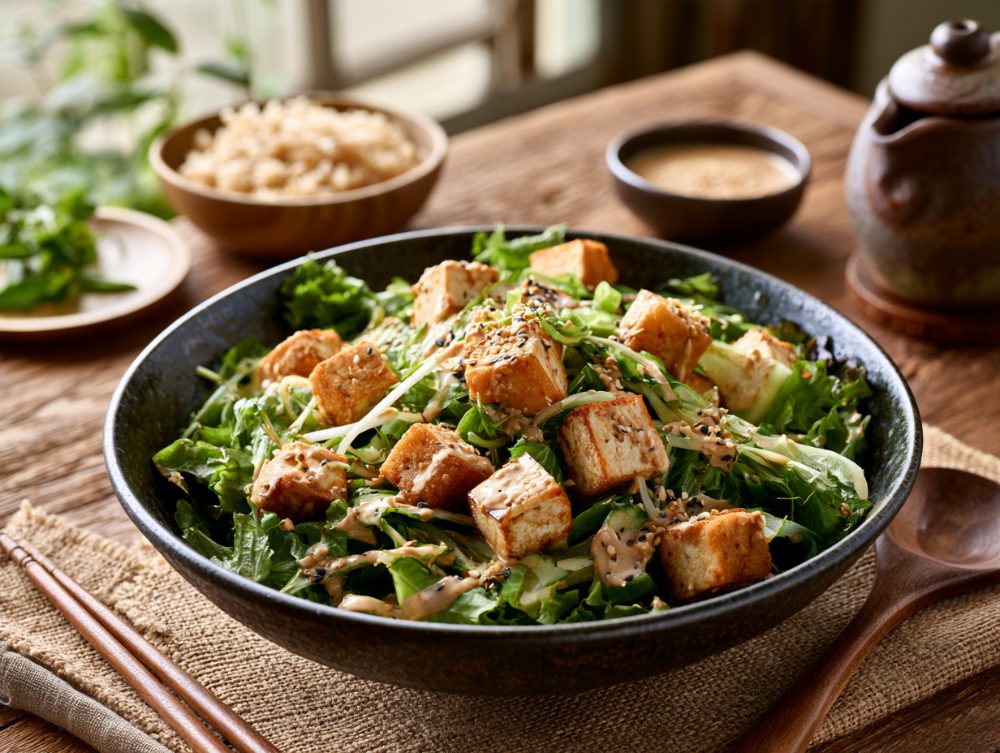
This Korean cafe-style salad tops crisp greens and vegetables with cubes of golden pan-fried tofu and a creamy, nutty sesame dressing. It is light but fill

Yuja-cha is a soothing hot tea made by stirring a spoonful of citron marmalade into hot water. It is Korea’s favorite winter drink and a classic remedy for