
Discover the history of this region →
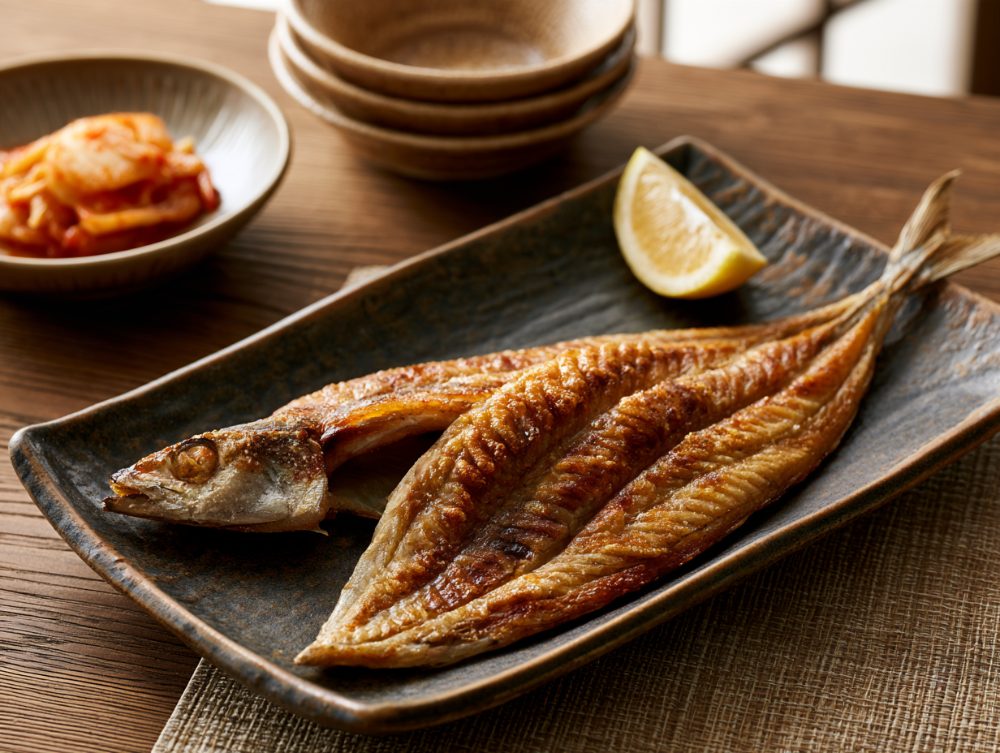
Godeungeo-gui is one of the simplest and most beloved dishes on the Korean home table: a whole mackerel fillet, lightly salted and grilled until the skin crackles. Mackerel is rich in omega-3 fats and naturally carb-free, so this is keto cooking at its easiest.
Per serving: 415 calories · 0.6 g net carbs · 32 g protein · 31 g fat (calculated from the ingredients)
What You’ll Need
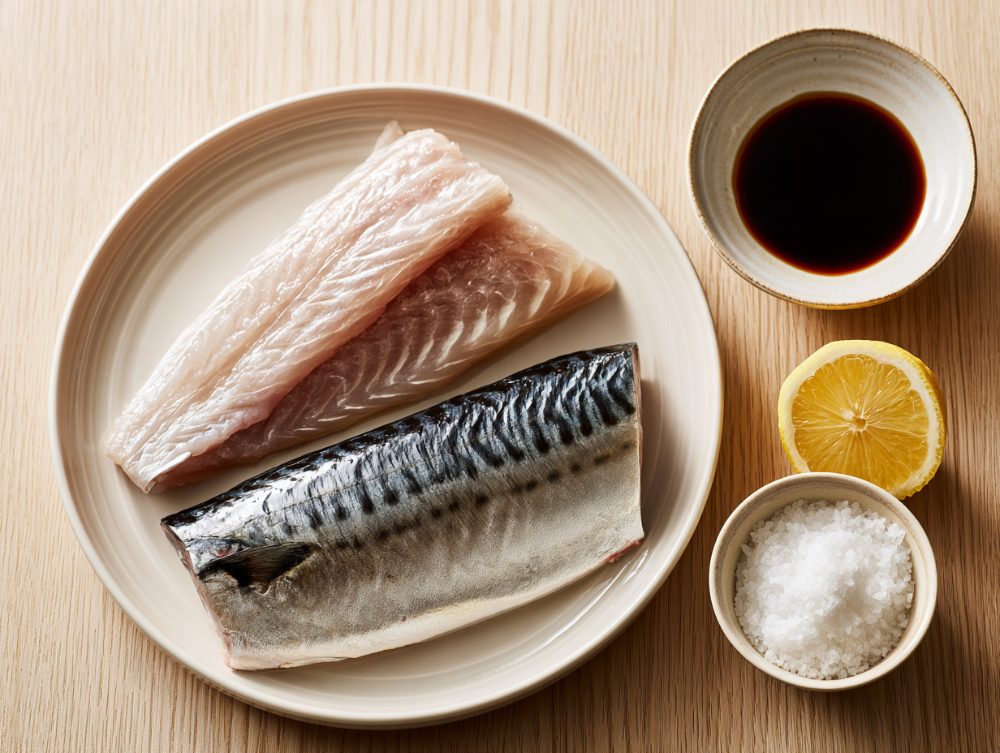
Ingredients
- 2 mackerel fillets skin on (about 12 ounces total)
- 1 teaspoon coarse sea salt
- 1 tablespoon avocado oil
- 1 lemon wedge for serving
- Dipping sauce: 1 tablespoon soy sauce, 1 teaspoon rice vinegar, pinch of gochugaru

Instructions
- Rinse the mackerel and pat it very dry. Score the skin two or three times. Sprinkle both sides with the salt and let it rest for 20 minutes.
- Pat the fillets dry again to remove the moisture the salt drew out.
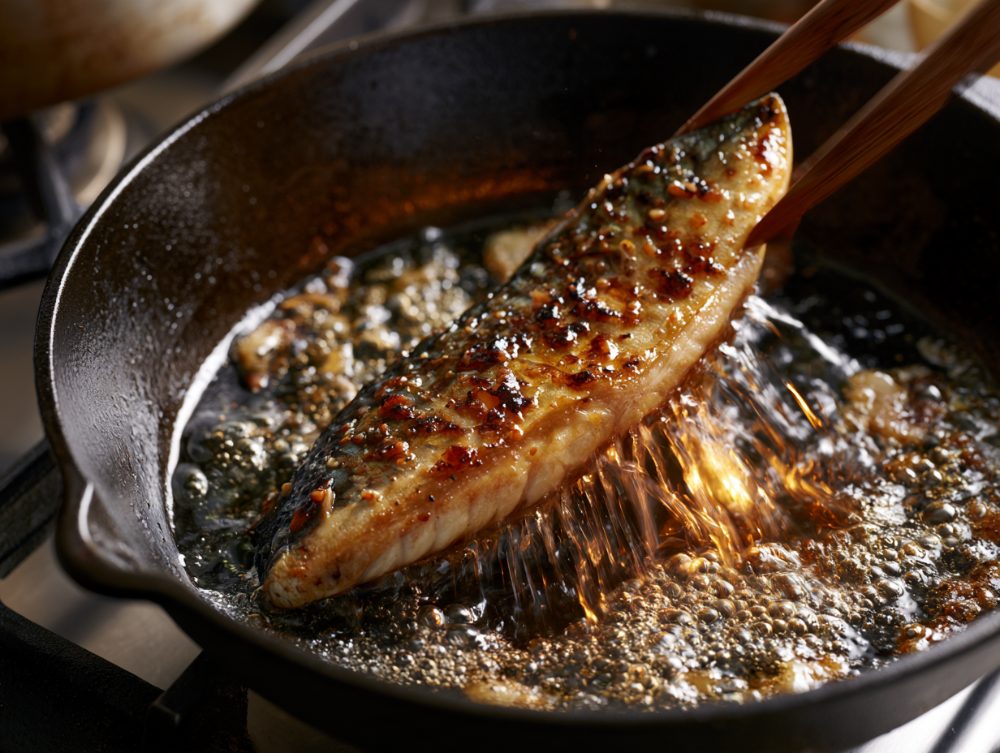
- Heat the oil in a nonstick or cast-iron skillet over medium heat. Lay the fillets skin side down and press gently for the first 30 seconds so they stay flat.
- Cook for 5 to 6 minutes, until the skin is deep golden and crisp, then flip and cook 3 to 4 minutes more, until the flesh flakes easily.
- Serve with a lemon wedge and the dipping sauce.
Notes
Nutrition
About This Dish
Mackerel has long been one of Korea’s most common fish, often nicknamed the "national fish," and it regularly tops surveys of Koreans’ favorite seafood. Before refrigeration, mackerel from the coast was heavily salted so it could survive the journey inland. The inland city of Andong became famous for its salted mackerel, called Andong gan-godeungeo, and the story goes that the fish was perfectly cured by the time it arrived. Grilled mackerel restaurants are common in Seoul, often serving it alongside a full spread of banchan.
Pairs Well With
This recipe is from The Ultimate Korean Keto Cookbook by Gisele Costello, Chapter 4: Seafood (Jagalchi Fish Market). See all Korean recipes