📍 Where this dish comes from: Kenya · Mount Kenya
Discover the history of this region →
Discover the history of this region →
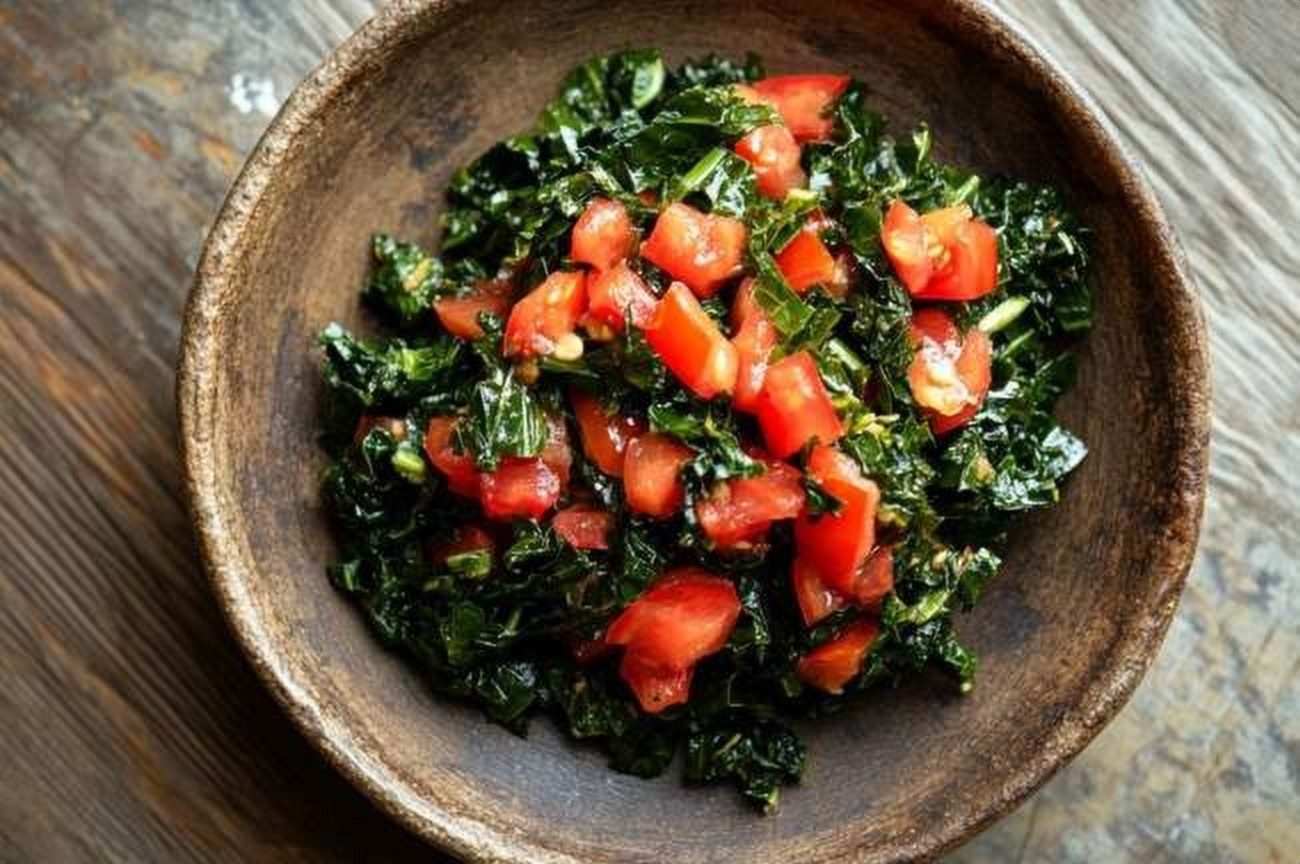
Managu, African nightshade, is a traditional Kenyan leafy green with a more mineral, slightly bitter flavor than the collard greens used in sukuma wiki. It’s a genuinely different vegetable botanically and on the plate — not a variation of the sukuma wiki already in this book’s soups and stews chapter, but its own distinct green, once considered a poor person’s vegetable and now increasingly sought out in Kenyan markets for both its flavor and nutrition.
What You’ll Need
Servings: 4 servings
Calories: 90kcal
Ingredients
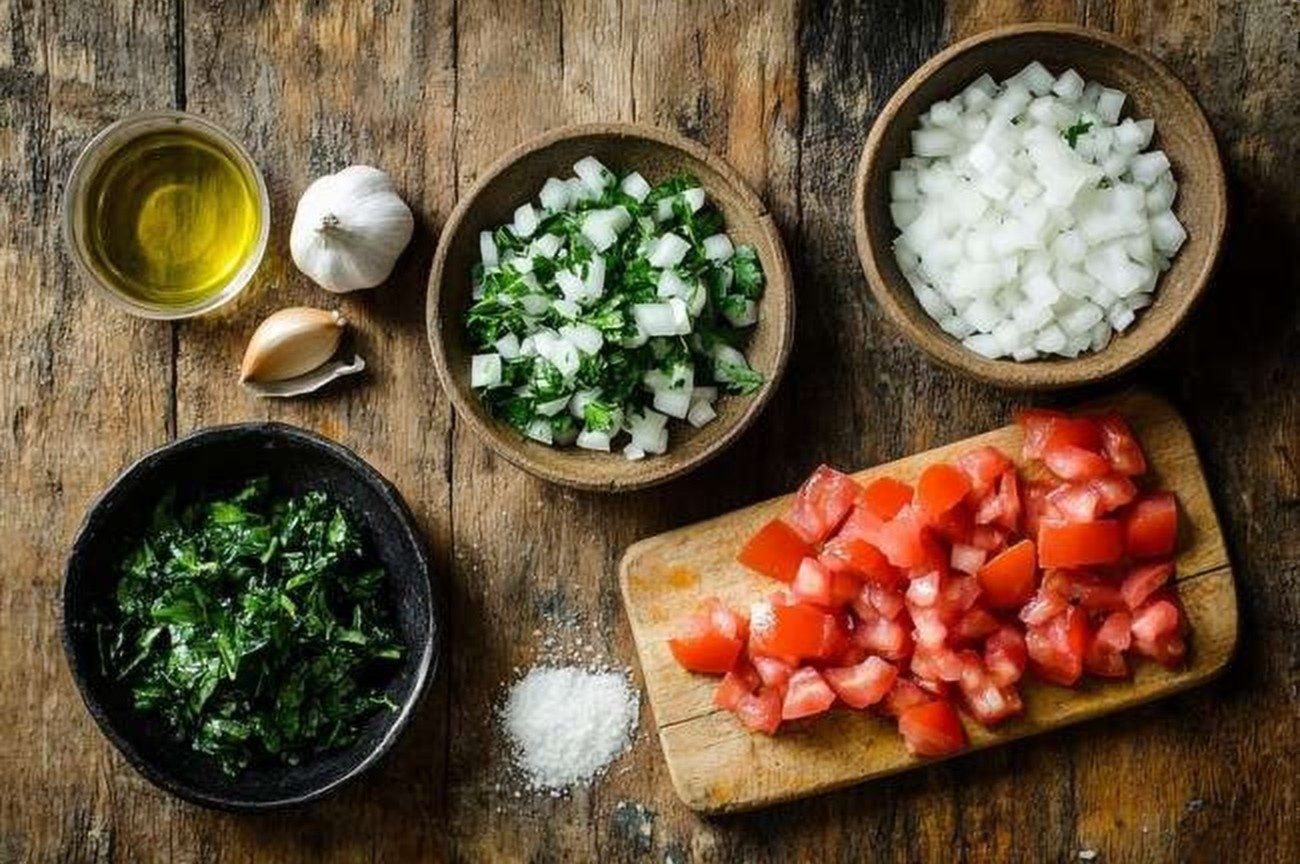
- 6 cups managu (African nightshade) washed and chopped — substitute spinach or amaranth
- 2 tbsp oil
- 1 onion diced
- 2 tomatoes diced
- 2 cloves garlic minced
- Salt to taste

Instructions
- Heat oil in a large skillet over medium heat. Add onion, cook 5 minutes until softened.
- Add garlic, cook 1 minute until fragrant.
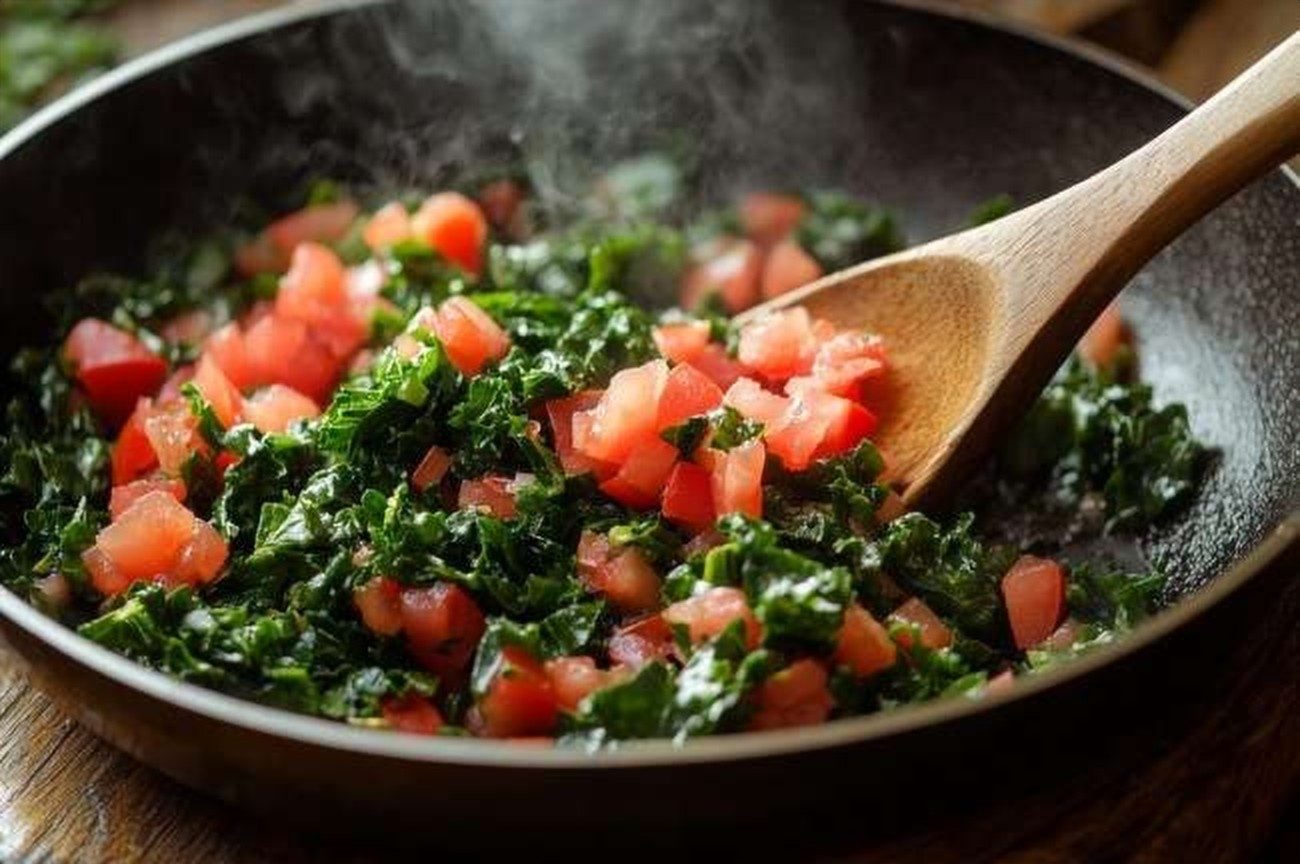
- Add tomatoes, cook 4 minutes until they break down.
- Add managu in batches, stirring until wilted, about 8–10 minutes.
- Season with salt and serve hot.
Nutrition
Serving: 1serving | Calories: 90kcal | Protein: 4g | Fat: 7g | Fiber: 3g
Tried this recipe?Let us know how it was!
Health Benefits
- Managu is an especially strong source of iron and vitamin A compared to many cultivated greens.
- Traditional African leafy vegetables like this often carry higher micronutrient density than more commercially popular greens.
- It contributes antioxidant compounds linked to reduced inflammation.