
📍 Where this dish comes from: Kenya · Great Rift Valley
Discover the history of this region →
Discover the history of this region →
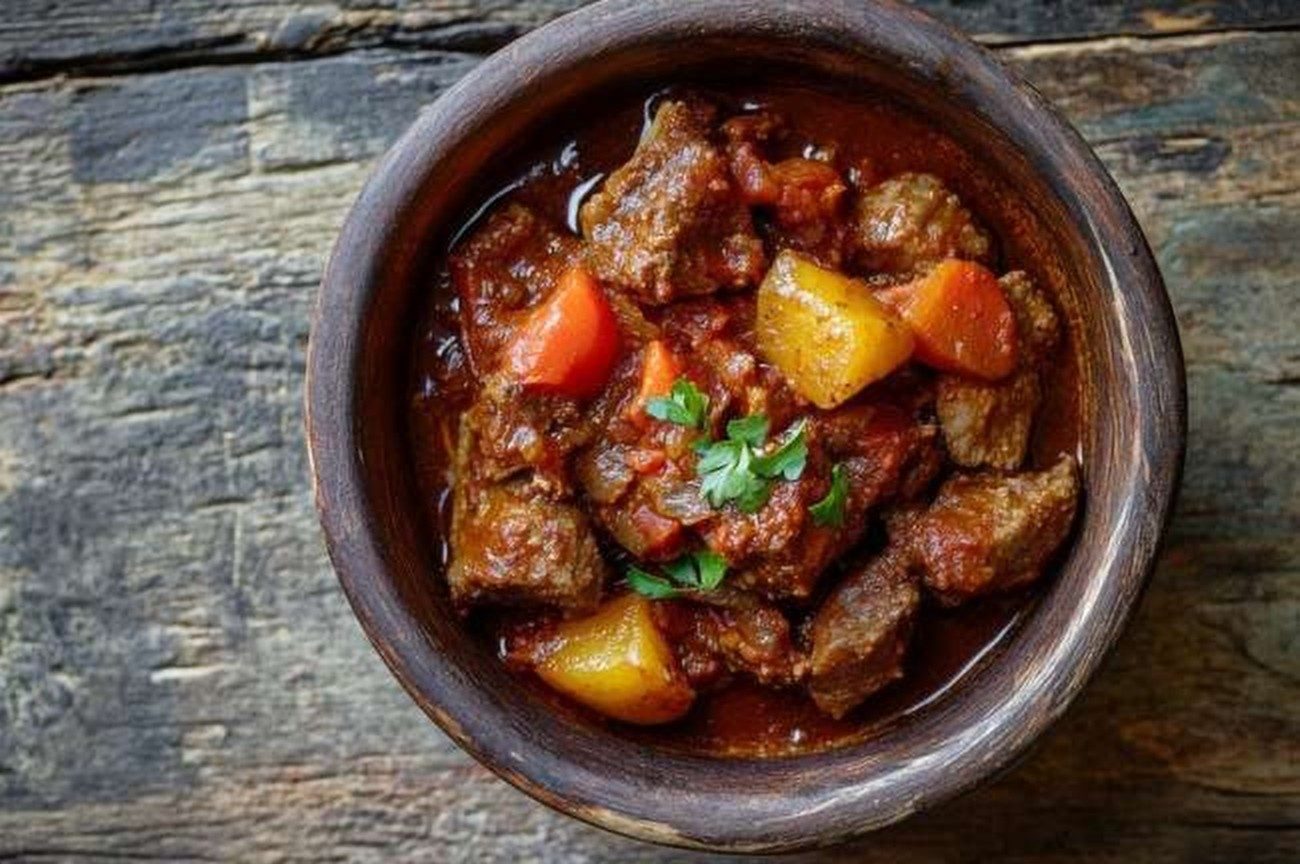
Wat — Ethiopia’s family of slow-simmered stews — works with almost any protein, and goat is one of the most common versions outside the beef and chicken wats most visitors encounter first. The technique leans on the same long, patient onion cook and berbere spice base used throughout this book’s Ethiopian dishes, giving the goat time to turn properly tender while the sauce deepens.
What You’ll Need
Servings: 6 servings
Calories: 400kcal
Ingredients
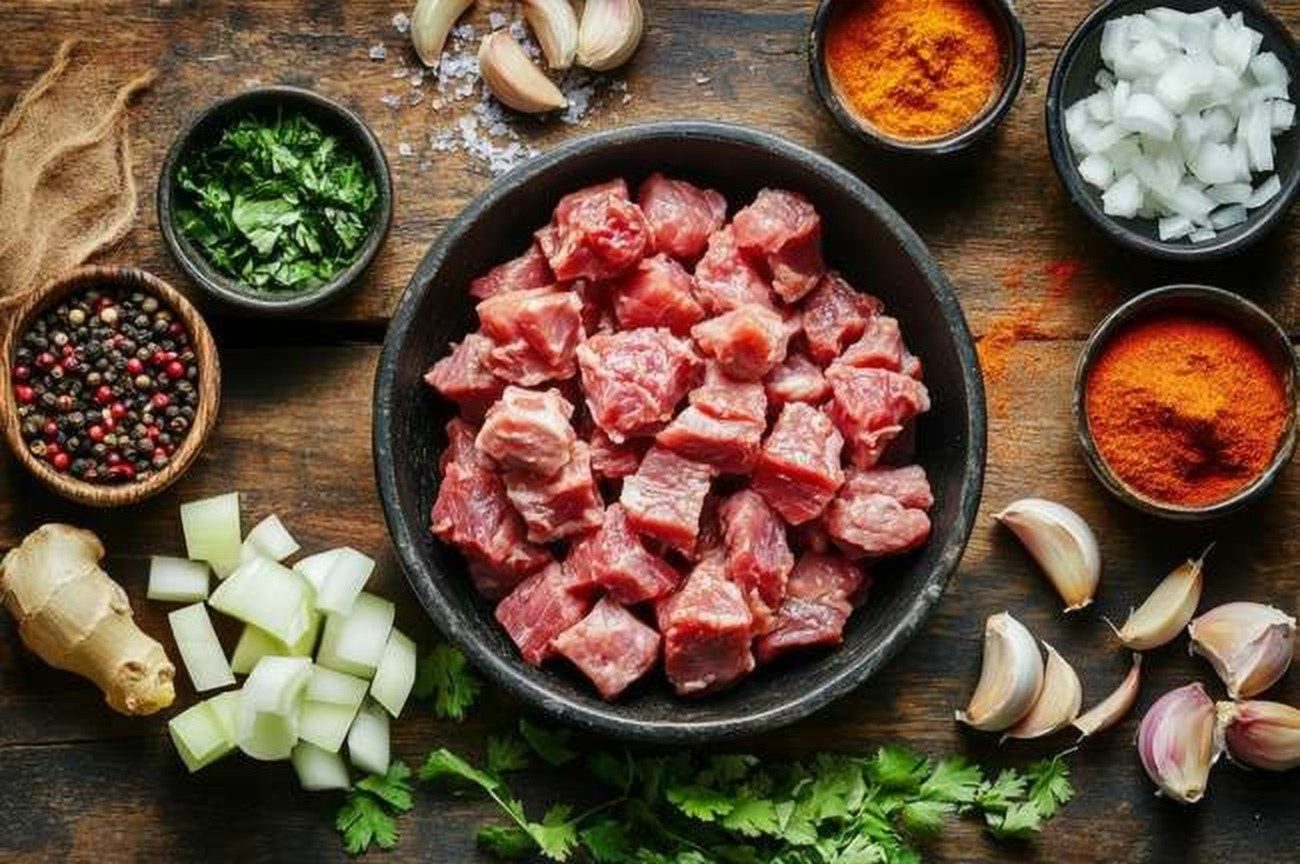
- 3 lb bone-in goat cubed
- 3 tbsp niter kibbeh or ghee
- 2 onions diced
- 4 cloves garlic minced
- 1 tbsp fresh ginger grated
- 3 tbsp berbere spice blend
- 2 cups broth
- Salt to taste

Instructions
- Heat niter kibbeh in a large pot over medium heat. Add onions and cook, stirring often, 20–25 minutes until deeply golden.
- Add garlic and ginger, cook 1 minute until fragrant.
- Stir in berbere, cook 1 minute more to bloom the spices.
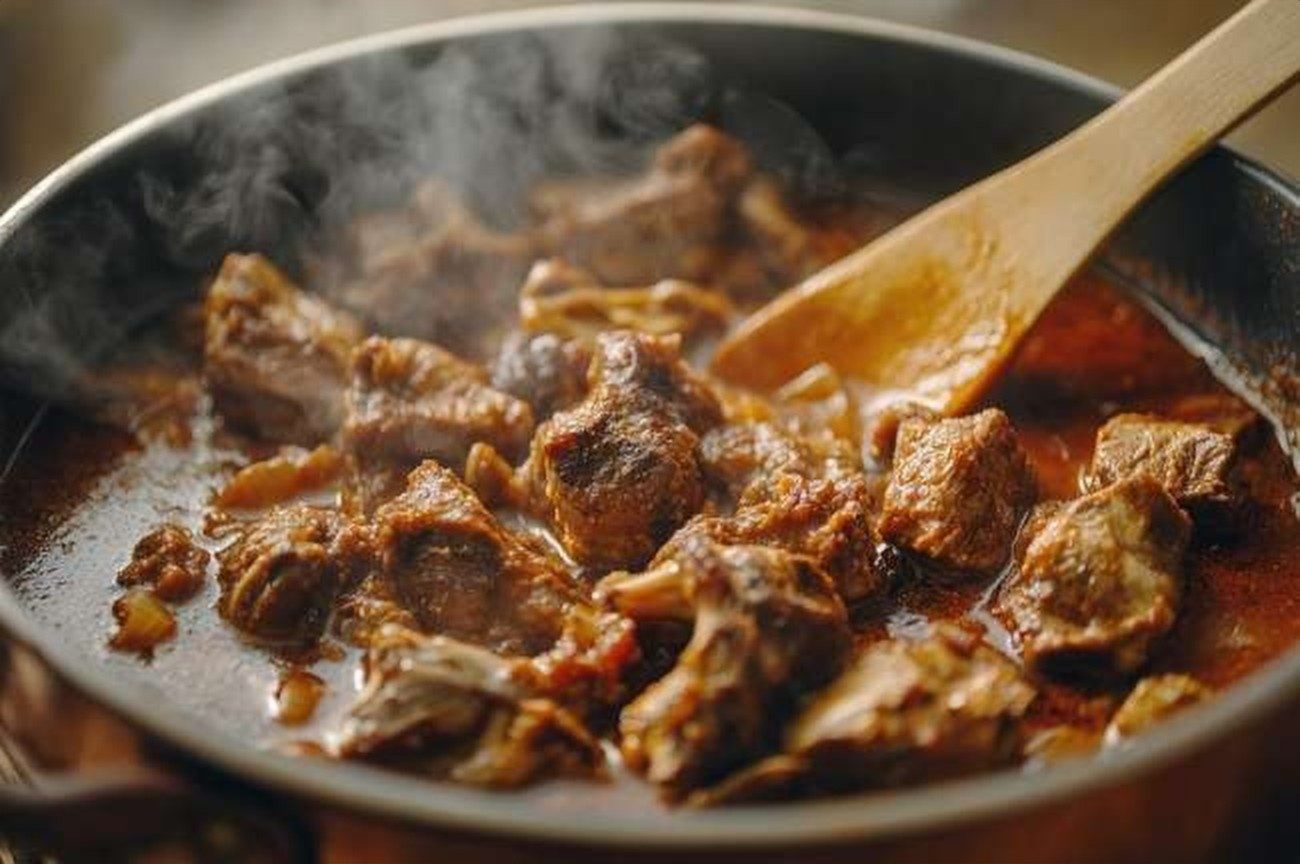
- Add goat, stirring to coat in the spiced onions, and brown lightly on all sides, about 5 minutes.
- Pour in broth, bring to a simmer, cover, and cook 1 hour 15 minutes to 1 hour 30 minutes until the goat is completely tender.
- Season with salt and serve hot.
Nutrition
Serving: 1serving | Calories: 400kcal | Protein: 36g | Fat: 26g | Fiber: 2g
Tried this recipe?Let us know how it was!
Health Benefits
- Goat provides a leaner alternative to beef with a similarly complete amino acid profile.
- Berbere’s chili content delivers capsaicin, a compound studied for metabolic and anti- inflammatory effects.
- The long-cooked onion base contributes prebiotic fiber compounds that support gut bacteria. Slow-Cook Note This dish genuinely improves on the second day, once the berbere has had more time to work through the meat — consider making it a day ahead if you have the option.
Pairs Well With
- Ethiopian Gomen (Collard Greens)
- Ethiopian Timatim Salata (Tomato Salad)