
📍 Where this dish comes from: Jaipur (the Pink City)
Discover the history of this region →
Discover the history of this region →
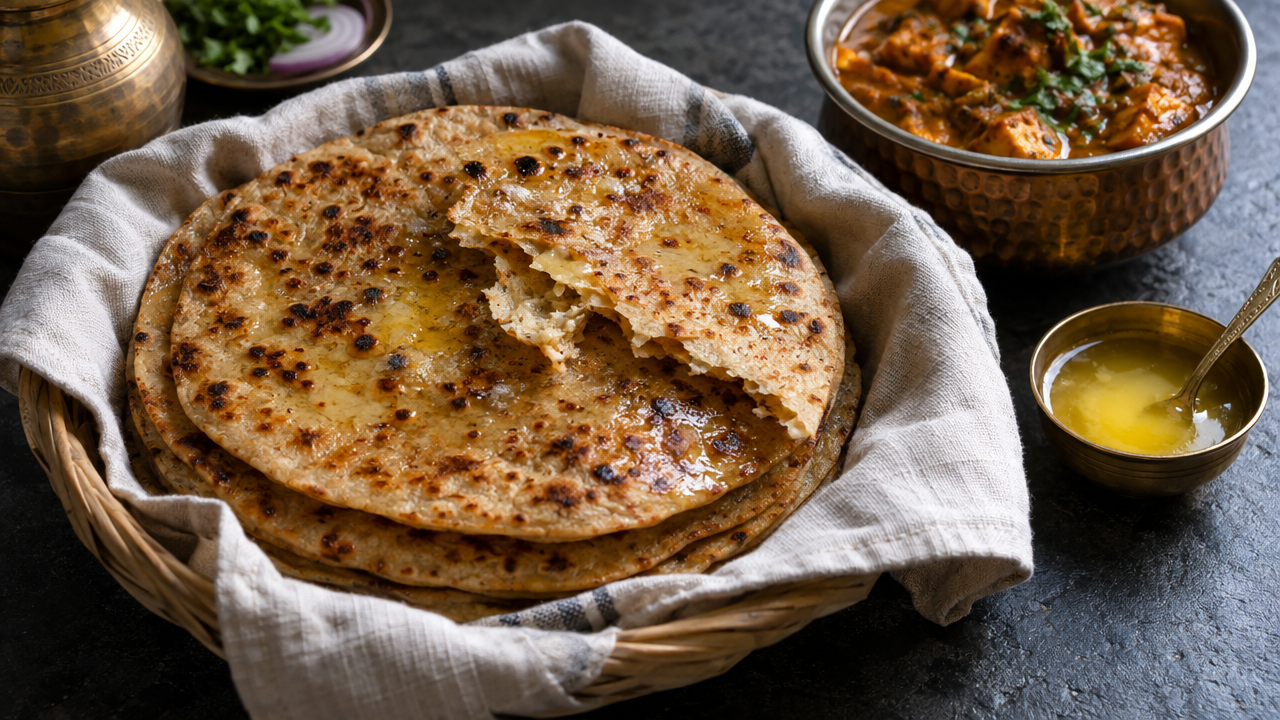
Of all the keto flatbreads, the psyllium husk chapati comes closest to the real thing in texture — it has genuine pliability and a slight earthiness from the psyllium that resembles whole wheat chapati more than almond flour versions do. Remarkably, astonishingly thin, these chapatis roll out paper-fine and cook in seconds on a blazing tawa, puffing slightly and taking on a gorgeous spotted char that reminds you, with every yielding, flexible bite, that great Indian bread truly does not need a single grain of wheat.
What You’ll Need
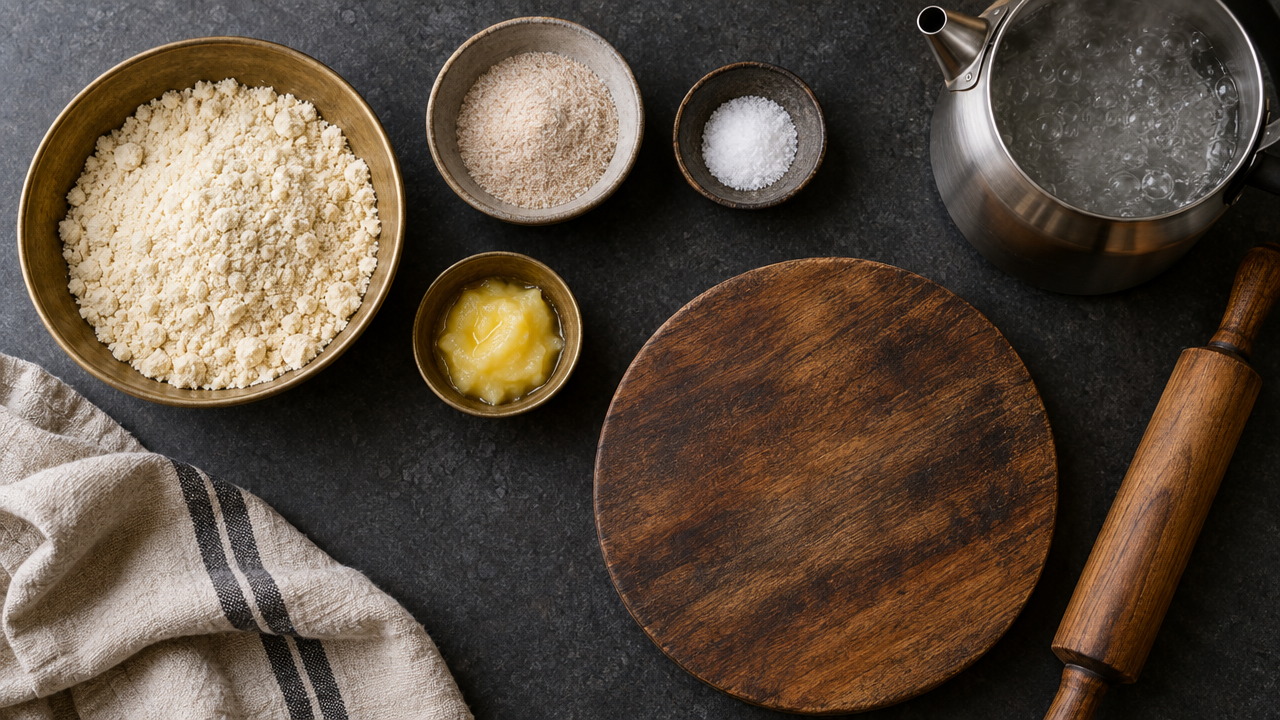
Servings: 3 servings
Calories: 155kcal
Ingredients
- 1 cup almond flour
- 3 tbsp psyllium husk powder
- 1/4 tsp salt
- 1 tsp ghee
- 1/2 cup boiling water (adjust for dough)
- Ghee for cooking

Instructions
- Combine dry ingredients in a bowl.
- Pour boiling water gradually while mixing with a fork.
- Let dough rest 5 minutes — psyllium absorbs water and firms up.
- Divide into 6 balls.
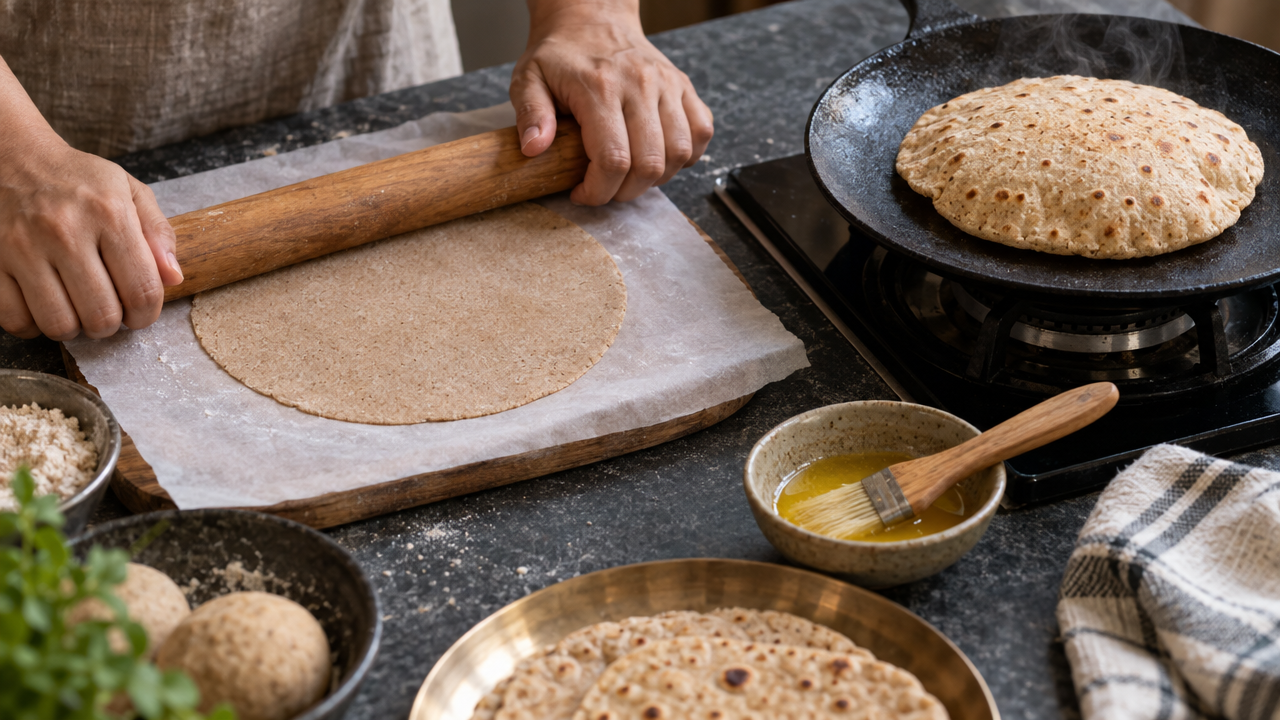
- Roll between parchment paper very thin.
- Cook on a dry cast-iron griddle 1 minute per side.
- Brush with ghee and serve immediately.
Nutrition
Serving: 1serving | Calories: 155kcal | Protein: 5g | Fat: 12g | Fiber: 4g
Tried this recipe?Let us know how it was!
Health Benefits
- Psyllium husk is well studied for its potential to help reduce LDL cholesterol when consumed regularly.
- The gel formed by psyllium can help reduce the glycemic impact of other foods eaten in the same meal.
- Psyllium is studied for its bifidogenic effects, meaning it may help feed beneficial Bifidobacterium species in the gut.