Keep the part you love
Sometimes what you want is the whole experience of dinner: wrapping a taco, twirling something through sauce, or scooping up a fragrant curry.
A useful keto swap helps preserve that experience. It does not have to taste exactly like the original food to earn a place at the table.
Think about the job the ingredient performs. Does it hold a filling, soak up sauce, add crunch, or provide a sturdy base? Choose your replacement accordingly.
Here are 12 options to try. Carbohydrate amounts depend on ingredients, portions, and brands, so check labels and fit each choice into your own plan.
Tortilla swaps
1. Flour tortillas → butter lettuce
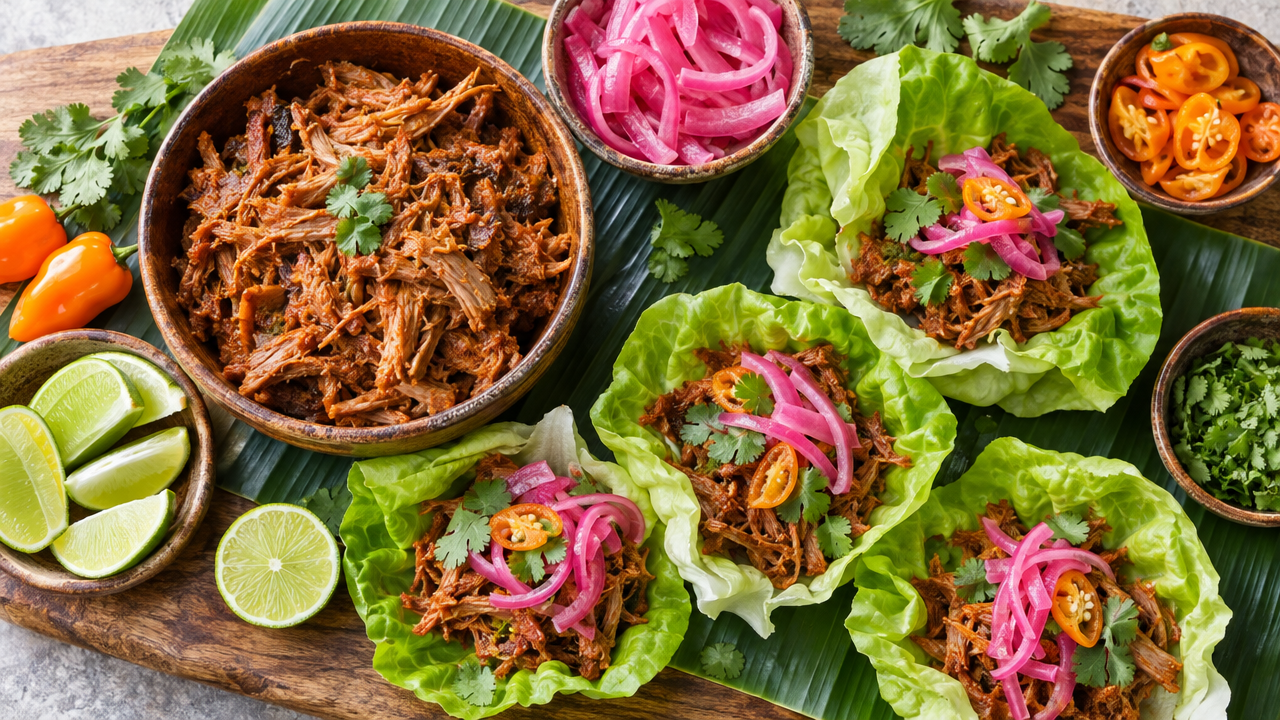
Soft butter-lettuce leaves work well with smaller fillings such as minced chicken, taco-seasoned beef, or chopped grilled fish.
Wash and dry the leaves thoroughly. Double them if the filling is juicy, and let hot food cool slightly before assembling.
Keep portions modest. Several little wraps are easier to eat than one overloaded leaf.
2. Large wraps → thin egg wraps
Beat an egg and cook it in a thin layer in a lightly oiled nonstick pan. Let it set fully, then cool briefly before lifting.
Fill with chicken, greens, or sautéed mushrooms. The texture is soft and eggy, making this especially useful for breakfast or a light lunch.
Cook delicate fillings separately so the wrap stays intact.
3. Crisp tortillas → cheese shells
Bake small rounds of shredded cheese on parchment until melted and lightly golden. Cool until flexible, then drape over a suitable support to form shells.
Use a small amount of filling and serve promptly. These shells soften when they sit against moist ingredients.
They bring a strong cheese flavor, so pair them with fresh cabbage, cilantro, and lime.
Rice swaps
4. White rice → cauliflower rice
Grate cauliflower or use a frozen bag. Cook in a wide skillet so moisture can escape; overcrowding tends to leave it wet.
Season it for the meal: lime and cilantro for a Mexican-inspired bowl, or herbs and lemon beside Greek chicken.
Add sauces after cooking so you can control the final texture.
5. Rice pilaf → chopped cabbage
Finely chopped cabbage makes a useful skillet base for grilled meat, sausage, or spiced tofu.
Sauté it briefly with oil and seasonings, stopping while it still has some bite. It will remain cabbage rather than becoming rice, and that slight crunch is part of its appeal.
Try cumin, paprika, or garlic to suit your main dish.
6. Rice bowls → chopped mushrooms
Finely chop mushrooms and cook them in a hot, wide skillet until their released moisture evaporates.
They create a savory base for beef, chicken, or tofu. You can also combine them with cauliflower rice for a less mushroom-forward result.
Taste before adding rich sauces; the mushrooms already bring plenty of flavor.
Pasta swaps
7. Spaghetti → zucchini noodles
Spiralize zucchini, then cook it briefly in a hot skillet. Overcooking releases more moisture and makes the strands limp.
Toss with a thicker sauce just before serving. Pesto, a modest amount of creamy mushroom sauce, or a meat sauce can work well.
Avoid leaving dressed zucchini noodles standing in the pan while you finish other tasks.
8. Lasagna sheets → eggplant slices
Slice eggplant lengthwise and roast until flexible and lightly browned before layering it with your filling.
That first cooking step helps manage moisture. Build shallow layers rather than a towering casserole, and let the finished dish rest before slicing.
Use a tomato sauce without added sugar and account for all the ingredients in your serving.
9. Wheat noodles → shirataki noodles
Shirataki noodles offer a springy texture that works particularly well in broths and some stir-fries.
Follow the package directions, rinse well if instructed, and drain thoroughly. Brief dry cooking in a skillet can help remove excess moisture.
Try them in a ginger-garlic broth first. Their texture differs noticeably from wheat pasta, so start with a small serving.
Bread swaps
10. Sandwich bread → sturdy lettuce leaves
Romaine or iceberg leaves can hold sliced chicken, tuna salad, or grilled vegetables.
Dry the leaves well and place moist fillings in the center. Wrap in parchment for easier handling, especially if you are taking lunch to work.
For a generous filling, make a bowl and use the leaves as scoops.
11. Burger buns → portobello caps
Roast portobello caps until tender, then blot away released liquid before assembling your burger.
An open-faced version is often easier to eat than stacking two large caps around the filling.
Add crunchy lettuce and pickles for contrast, and check prepared burger sauces for added sugar.
12. Breadsticks or toast → seed crackers
Choose seed crackers with ingredients and carbohydrate amounts that fit your plan, or make a batch using a dependable recipe.
They work beside cheese, dips, or soup when you want crunch rather than a soft bread substitute.
Check the serving size before pouring them onto a plate. Different seed mixtures and added starches produce very different products.
Recipes that use these swaps
- Lettuce instead of tortillas: Instant Pot carnitas lettuce tacos
- Lettuce cups, Yucatán style: cochinita pibil lettuce taco bar
- Zucchini noodles instead of spaghetti: keto Bolognese
- Almond-flour crust instead of breadcrumbs: keto eggplant Parmesan
- Pork rinds instead of tortilla chips: pork-rind chilaquiles skillet
Start with one favorite
Choose the swap that solves an everyday problem. Practice it with a familiar filling or sauce before adding more changes.
Browse free recipes at internationalketocookbook.com, home of Gisele Costello’s International Keto Cookbook Series. Try the Kitchen Club free for 30 days: enjoy 1,300+ keto recipes from 16 countries, a new food-travel video every Monday, Wednesday, and Saturday, hands-free Cook Mode, and one-tap Instacart ordering.
FREE · EVERY SUNDAY
Get the free weekly Passport Menu
3 keto dinners from one country each week, with one-tap Instacart ordering. Unsubscribe anytime.