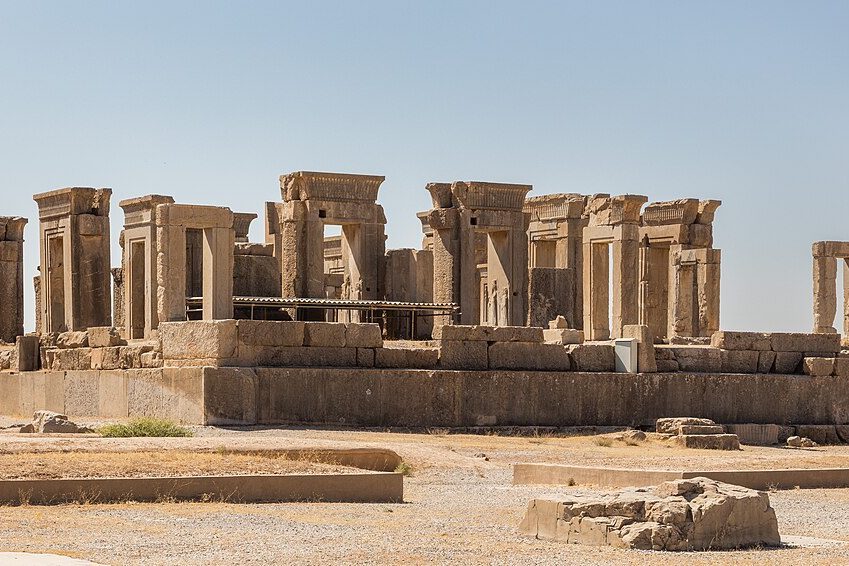
Discover the history of this region →
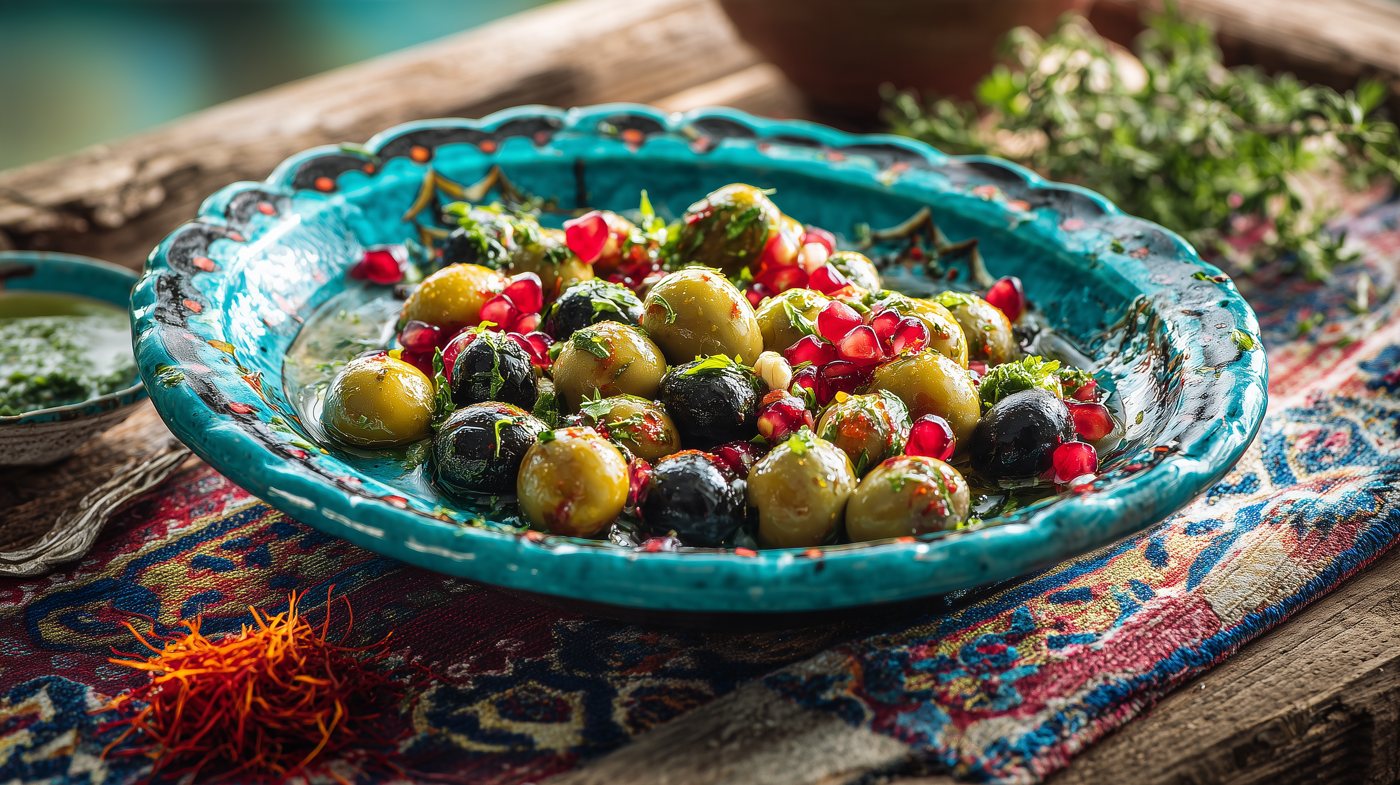
Green olives from northern Iran are coated in a rustic paste of ground walnuts, pomegranate molasses, fresh herbs, garlic and golpar, then left to marinate until deeply savory, tangy and nutty. A measured spoonful of pomegranate molasses keeps it keto while delivering all the classic flavor.
Per serving: 192 calories · 5.7 g net carbs · 2.3 g protein · 17.8 g fat (calculated from the ingredients)
What You’ll Need
Ingredients
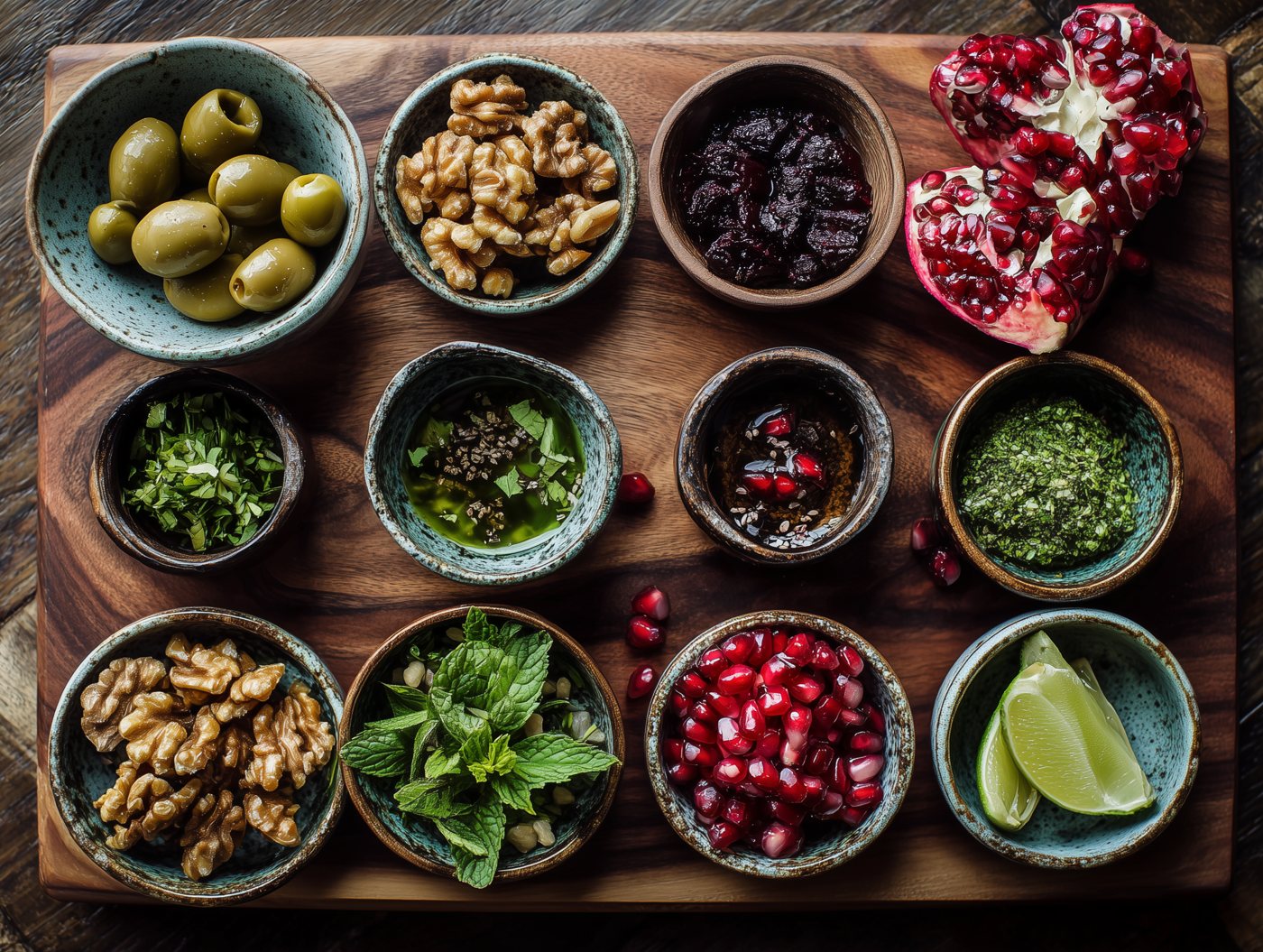
- 2 cups pitted green olives (about 10 ounces drained) Castelvetrano or other mild green olives
- 3/4 cup walnuts finely ground
- 2 tablespoons pomegranate molasses no sugar added
- 3 tablespoons extra-virgin olive oil
- 2 cloves garlic grated
- 1/4 cup fresh mint finely chopped
- 1/4 cup fresh cilantro finely chopped
- 1 teaspoon dried mint crumbled
- 1 teaspoon ground golpar (Persian hogweed) or 1/2 teaspoon ground fennel seed plus a pinch of celery seed
- 1 tablespoon fresh lime juice
- 2 tablespoons pomegranate seeds for garnish

Instructions
- Drain the olives and rinse briefly if they are very salty. Pat dry with paper towels.
- Pulse the walnuts in a food processor until finely ground but not yet oily, about 10 short pulses.
- In a medium bowl, stir together the ground walnuts, pomegranate molasses, olive oil, garlic, fresh mint, cilantro, dried mint, golpar and lime juice to make a thick, spreadable paste. Taste: it should be tangy and nutty. Add 1 to 2 teaspoons water if too stiff.
- Add the olives and toss until every olive is well coated.
- Cover and refrigerate for at least 4 hours, or ideally overnight, stirring once.
- Let stand at room temperature for 20 minutes before serving, then garnish with pomegranate seeds.
Notes
Nutrition
About This Dish
Zeytoon parvardeh comes from Gilan, the lush province on the Caspian Sea in northern Iran. The Rudbar area of Gilan is the heart of Iran’s olive growing, and the region has a long tradition of olive cultivation. Parvardeh means something like nurtured or matured, which describes how the olives rest in their marinade. Gilani cooking is known for sour flavors, fresh local herbs and generous use of walnuts and pomegranate. Locals often make their own versions with wild herbs, so every family’s paste tastes a little different.
This recipe is from The Ultimate Persian Keto Cookbook by Gisele Costello, Chapter 2: Appetizers & Mezze (Persepolis). See all Persian recipes
FREE · EVERY SUNDAY
Get the free weekly Passport Menu
3 keto dinners from one country each week, with one-tap Instacart ordering. Unsubscribe anytime.