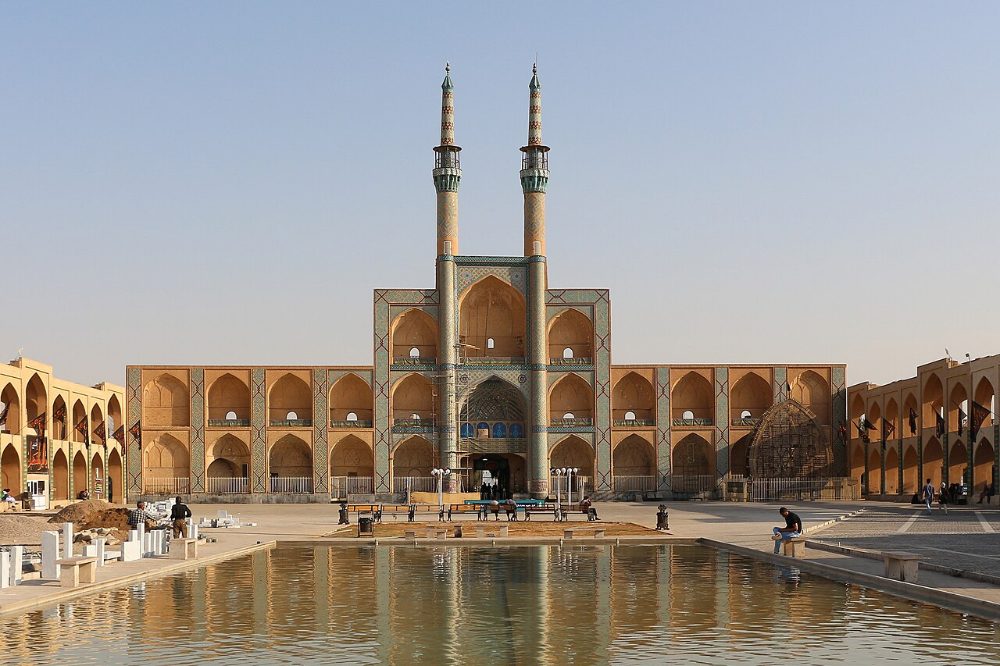
Discover the history of this region →
Abgoosht is the slow-cooked lamb stew-soup of Tehran’s old teahouses: rich broth with dried lime and saffron, served first, then the tender meat and vegetables mashed into a hearty paste. Our keto version swaps potatoes and chickpeas for turnips, keeping all the comfort and very few carbs.
Per serving: 317 calories · 7.1 g net carbs · 27 g protein · 18 g fat (calculated from the ingredients)
What You’ll Need
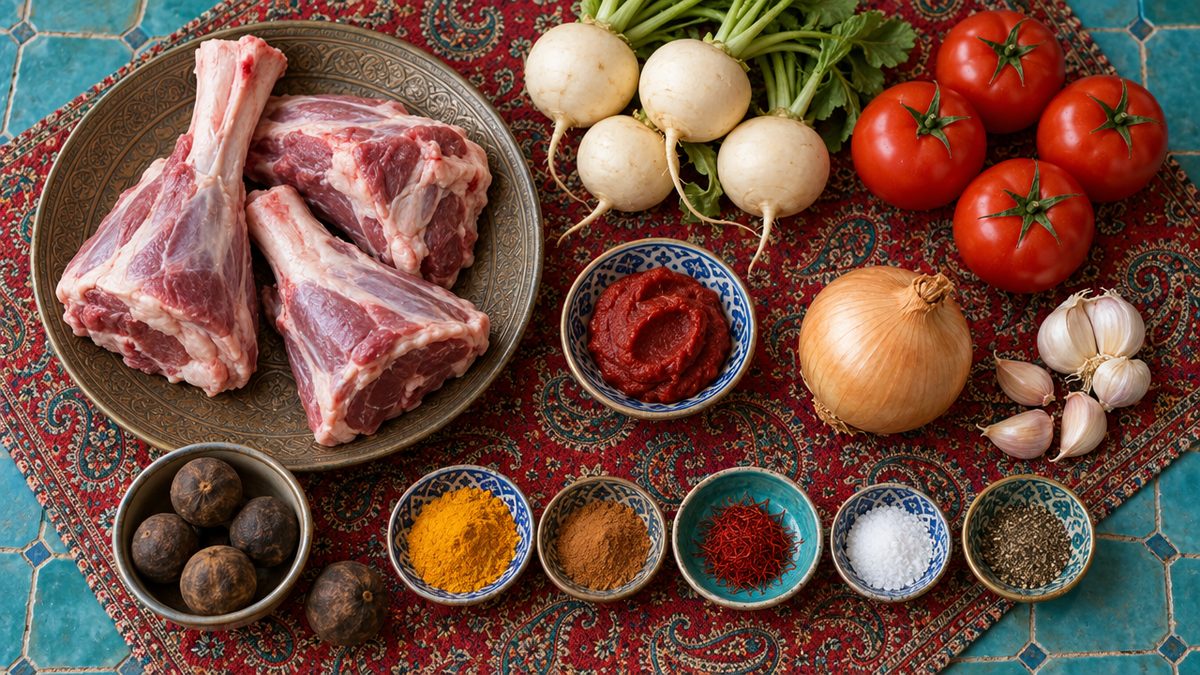
Ingredients
- 3 pounds bone-in lamb shanks about 3 shanks
- 1 large onion quartered
- 6 cups water
- 1 teaspoon ground turmeric
- 3 dried limes pierced several times with a knife
- 3 medium turnips peeled and cut in large chunks
- 2 medium tomatoes quartered
- 1 tablespoon tomato paste
- 1/2 teaspoon ground cinnamon
- 1/4 teaspoon saffron threads ground and steeped in 2 tablespoons hot water
- 1 1/2 teaspoons salt
- 1/2 teaspoon black pepper

Instructions
- Put the lamb shanks, onion, turmeric and water in a heavy pot or clay pot. Bring to a boil and skim off the foam.
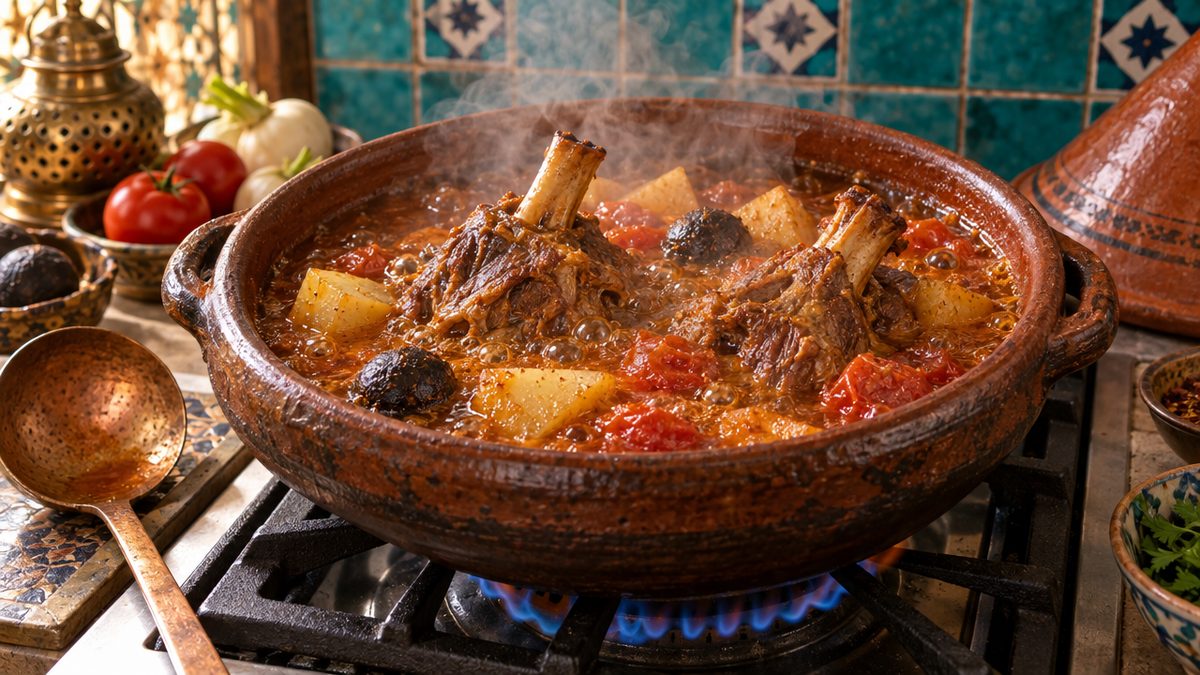
- Add the dried limes, cover and simmer over low heat for 2 hours.
- Add the turnips, tomatoes, tomato paste, cinnamon, salt and pepper. Cover and simmer for 45 minutes to 1 hour more, until the meat falls off the bone and the turnips are very tender.
- Stir in the saffron water for the last 10 minutes.
- Pour the broth through a strainer into a saucepan and keep it hot. Taste and add salt if needed.
- Remove the bones and the dried limes. Mash the meat, turnips, onion and tomatoes with a potato masher or pestle into a coarse, hearty paste. This is gusht kubideh.
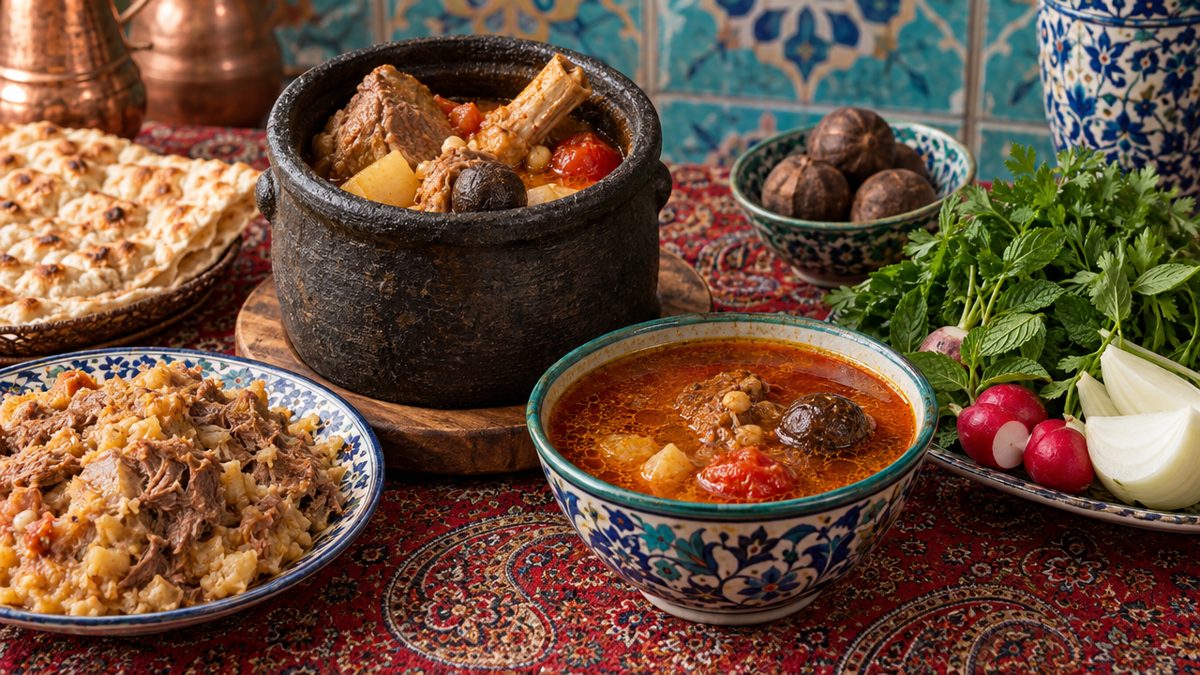
- Serve the broth first in bowls, then the mashed meat with fresh herbs, radishes, raw onion wedges and keto flatbread.
Notes
Nutrition
About This Dish
Abgoosht literally means “meat water,” and it is also called dizi after the small stone pots it is cooked and served in. It has long been the hearty working meal of Tehran and other Iranian cities, simmered for hours over low heat. It is eaten in two parts: first the broth, with pieces of bread torn into it, and then the meat and vegetables pounded into a coarse paste called gusht kubideh. Traditional dizi houses bring a separate pestle so each diner can mash their own. The plate is always rounded out with fresh herbs, raw onion and torshi, Persian pickles.
This recipe is from The Ultimate Persian Keto Cookbook by Gisele Costello, Chapter 3: Soups & Ash (Amir Chakhmaq Complex). See all Persian recipes
FREE · EVERY SUNDAY
Get the free weekly Passport Menu
3 keto dinners from one country each week, with one-tap Instacart ordering. Unsubscribe anytime.