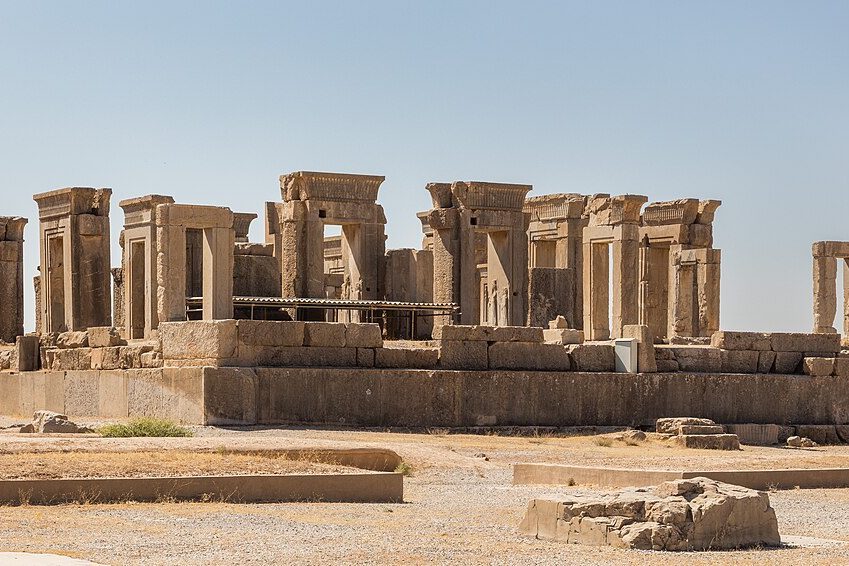
Discover the history of this region →
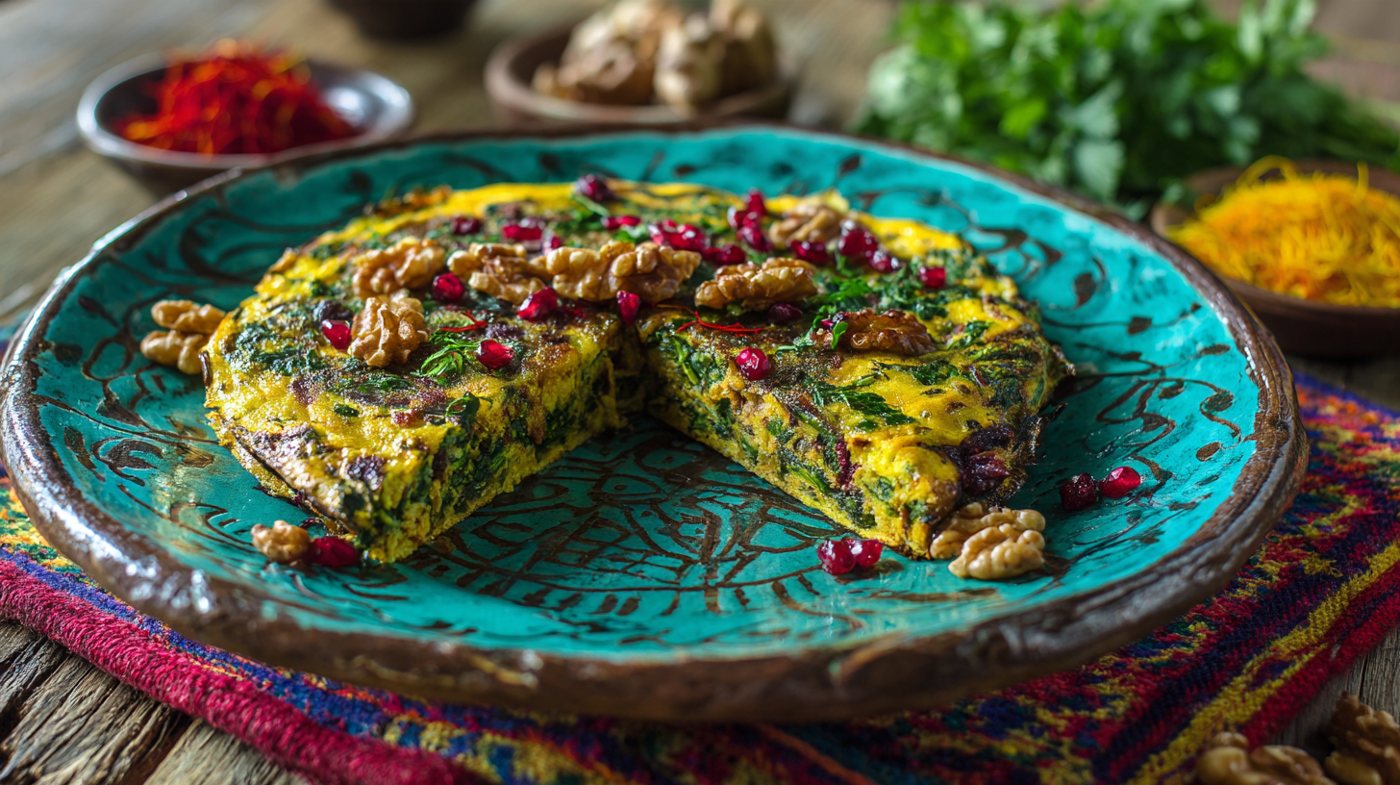
A brilliant green frittata packed with parsley, cilantro, dill and scallions, studded with walnuts and tart barberries, fried in a skillet until crisp at the edges. A spoonful of almond flour replaces the usual all-purpose flour to hold it together.
Per serving: 216 calories · 4.6 g net carbs · 9.3 g protein · 17.8 g fat (calculated from the ingredients)
What You’ll Need
Ingredients
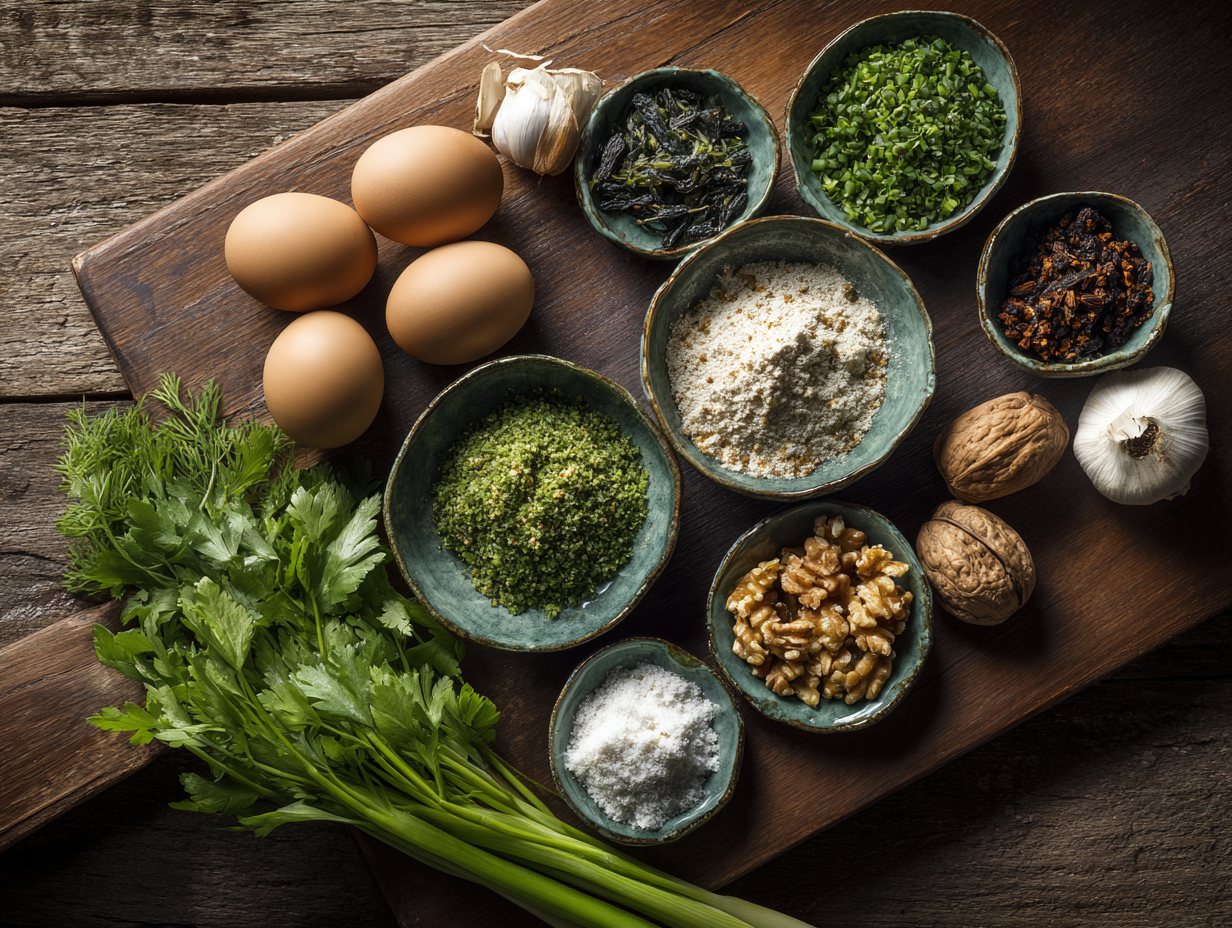
- 6 large eggs room temperature
- 2 cups fresh flat-leaf parsley packed, finely chopped
- 2 cups fresh cilantro packed, finely chopped
- 1 cup fresh dill finely chopped
- 1 bunch scallions (about 6) finely chopped
- 1 tablespoon dried fenugreek leaves optional; crumbled
- 2 cloves garlic minced
- 1/3 cup walnuts chopped
- 2 tablespoons dried barberries picked over, rinsed and soaked 10 minutes
- 2 tablespoons almond flour blanched, superfine
- 1/2 teaspoon baking powder
- 1 teaspoon ground turmeric
- 1 1/4 teaspoons kosher salt
- 1/2 teaspoon freshly ground black pepper
- 1/4 cup avocado oil or ghee for frying

Instructions
- Wash and dry the herbs very well (a salad spinner works best), then chop them finely by hand or pulse in a food processor. Wet herbs make a soggy kuku.
- In a large bowl, whisk the eggs with the almond flour, baking powder, turmeric, salt and pepper until smooth. Stir in the herbs, scallions, fenugreek, garlic, walnuts and drained barberries. The mixture should look like more herbs than egg.
- Heat the oil in a 10-inch nonstick or well-seasoned skillet over medium heat until it shimmers. Pour in the mixture all at once and spread it evenly with a spatula.
- Cover and cook over medium-low heat for 12 to 15 minutes, until the edges are set and browned and the center is mostly firm. Use a spatula to cut the kuku into 4 wedges in the pan.
- Flip each wedge, adding a little more oil if the pan is dry, and cook uncovered 6 to 8 minutes more until the second side is browned and the center feels firm when pressed.
- Slide onto a paper-towel-lined board for 2 minutes, then cut into smaller wedges or squares. Serve warm or at room temperature.
Notes
Nutrition
About This Dish
Kuku sabzi is a traditional dish of Nowruz, the Persian New Year, which falls on the spring equinox. Its deep green color symbolizes rebirth and the arrival of spring, and many families serve it with sabzi polo mahi (herbed rice with fish) for the New Year meal. Persian cooks usually use far more herbs than egg, which gives kuku its fragrant, almost vegetable-like texture. Barberries (zereshk), grown largely in South Khorasan province, add bright bursts of sourness. Kuku is also a favorite picnic food because it travels well and is delicious at room temperature.
This recipe is from The Ultimate Persian Keto Cookbook by Gisele Costello, Chapter 2: Appetizers & Mezze (Persepolis). See all Persian recipes
FREE · EVERY SUNDAY
Get the free weekly Passport Menu
3 keto dinners from one country each week, with one-tap Instacart ordering. Unsubscribe anytime.